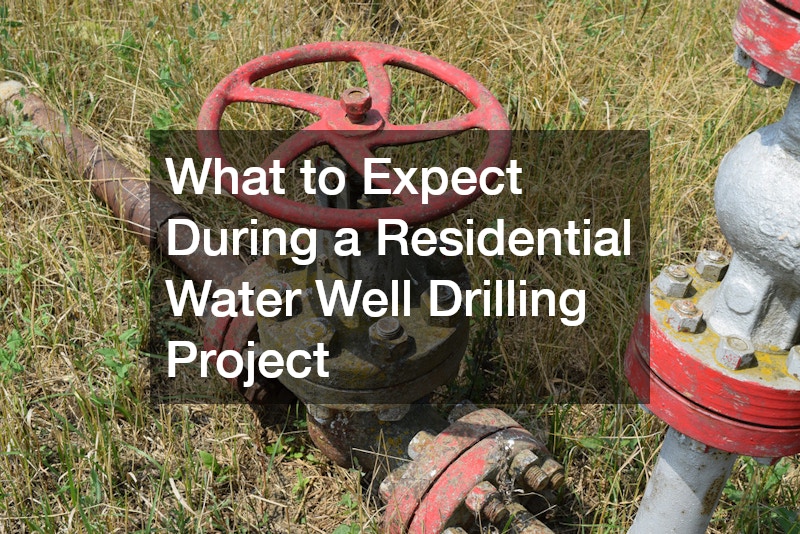
Embarking on a residential water well drilling project is a considerable undertaking, and it’s crucial to be well-prepared and informed about what to expect. Understanding the process, engaging the right professionals, and knowing the choices available are key elements that ensure a successful outcome. This article will provide a comprehensive overview of the steps involved in residential water well drilling, helping you navigate the project smoothly.
Choosing the Right Professionals for Your Project
Selecting a reliable drilling company is one of the most important decisions in the entire private water well process, as it directly influences water quality, system longevity, and overall performance. A reputable contractor should have a strong history of completed well projects, positive customer feedback, and demonstrated experience working in a variety of soil and rock conditions. This track record helps ensure they can handle unexpected challenges that may arise during drilling.
Beyond reputation, proper licensing and certification are essential indicators of professionalism and compliance. Licensed well services follow local and state regulations regarding groundwater protection, safe drilling practices, and environmental standards. This not only protects your investment but also ensures the long-term safety of your water supply. Asking for proof of insurance is equally important, as it safeguards homeowners from liability in case of accidents or property damage during the project.
In many cases, a successful well system also depends on supporting specialists beyond the primary drilling team. For example, pipe fabrication services play a critical role in customizing and securing piping systems that can withstand underground pressure, soil movement, and varying water conditions. Properly fabricated and installed piping reduces the risk of leaks, contamination, and long-term structural issues, helping maintain a reliable water flow for years to come.
Equally important is working with professionals who specialize in well pumps. Since the pump is responsible for bringing water from underground to the surface, its quality and installation directly affect system efficiency. Experienced technicians can recommend the right pump type, whether submersible or jet, and ensure it is properly sized for your well depth and household demand. Many full-service providers also offer ongoing maintenance and emergency repair services, which are invaluable for long-term reliability.
Understanding the Drilling Process
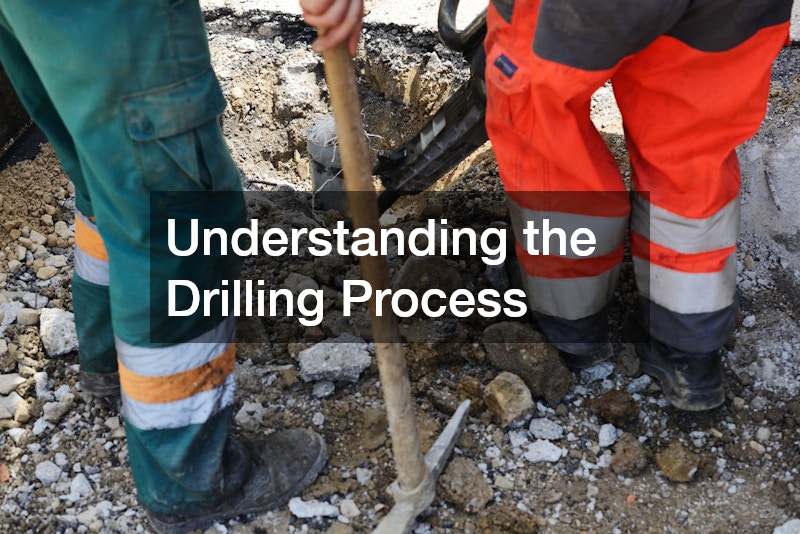
The drilling process begins long before any equipment reaches your property. A site survey and geological assessment are conducted to evaluate underground conditions such as soil composition, rock layers, and water table depth. This step is critical because it determines both the ideal drilling location and the expected yield of the well. A well-planned survey significantly reduces the risk of drilling in a low-yield or unsuitable area.
Once the site is selected, the drilling company manages the necessary permits and regulatory approvals. These permits ensure compliance with environmental guidelines and local groundwater protection laws. Proper permitting also confirms that the well will not interfere with neighboring water sources or protected aquifers, which is essential for responsible water usage.
Drilling itself is a highly technical process that involves specialized rigs and equipment designed to penetrate varying ground conditions. Depending on the geology, the process may involve rotary drilling, percussion drilling, or other advanced techniques. The depth and complexity of drilling can vary significantly from one location to another, meaning timelines are often flexible rather than fixed.
After reaching the required depth and confirming sufficient water presence, the well is cased. This involves installing a durable lining—usually steel or PVC—that stabilizes the well walls and prevents collapse. Proper casing also plays a major role in protecting the water supply from surface contaminants, ensuring the long-term safety and cleanliness of the well system.
Installation of Essential Components
Once the well structure is complete, attention shifts to installing the essential operational components that bring the system to life. The most critical of these is the well pump, which is responsible for lifting water from underground and delivering it to your home or property. Choosing the correct pump depends on factors such as well depth, water demand, and pressure requirements. A properly matched pump ensures consistent water flow without overworking the system.
In addition to the pump, many homeowners require a filtration system to improve water quality. Depending on local groundwater conditions, this may include sediment filters, carbon filters, or more advanced purification systems designed to remove contaminants such as iron, sulfur, or bacteria. Professional testing of water quality is typically performed to determine which filtration setup is most appropriate for safe and reliable household use.
For properties with hard water conditions, a water softener system is often an important final component. Hard water can lead to mineral buildup in pipes, reduced appliance efficiency, and scale deposits on fixtures. A softener helps reduce calcium and magnesium levels, improving the feel and extending the lifespan of plumbing systems and household appliances. When properly installed and maintained, these systems significantly enhance both water quality and long-term infrastructure performance.
Testing and Ensuring Water Quality
After a private water well is installed, the most important next step is ensuring that the water is safe, clean, and suitable for household use. Even when a well is properly drilled and constructed, underground water sources can naturally contain minerals, sediments, or contaminants that need to be identified before regular use begins. This is why professional water testing is not just recommended—it is essential for long-term health and safety.
Initial testing typically involves collecting water samples directly from the system and analyzing them in a certified laboratory. These tests screen for a wide range of potential concerns, including bacteria (such as coliform or E. coli), nitrates, heavy metals like lead or arsenic, and other chemical contaminants that may be present depending on the surrounding geology. Understanding these results helps determine whether the water is immediately safe or requires treatment before consumption.
Specialized well service providers often play a key role in interpreting these results. Beyond simply identifying contaminants, they can recommend tailored treatment solutions based on the specific issues found in your water supply. This may include installing filtration systems, disinfection units, or water conditioning equipment designed to correct imbalances and ensure safe drinking water throughout the home.
Ongoing maintenance is just as important as initial testing. Regular inspections of the pump system, pressure tank, and filtration units help ensure everything continues to function efficiently. Establishing a scheduled maintenance plan with a qualified service provider allows homeowners to catch small issues early—before they develop into more serious system failures or water quality concerns.
If problems do arise, such as inconsistent pressure or sudden changes in water clarity or taste, prompt well pump repairs becomes critical. These issues may indicate mechanical wear, electrical faults, or blockages within the system. Professional technicians can quickly diagnose and resolve these problems, restoring proper function and ensuring uninterrupted access to clean water.
Long-term Maintenance and System Upgrades
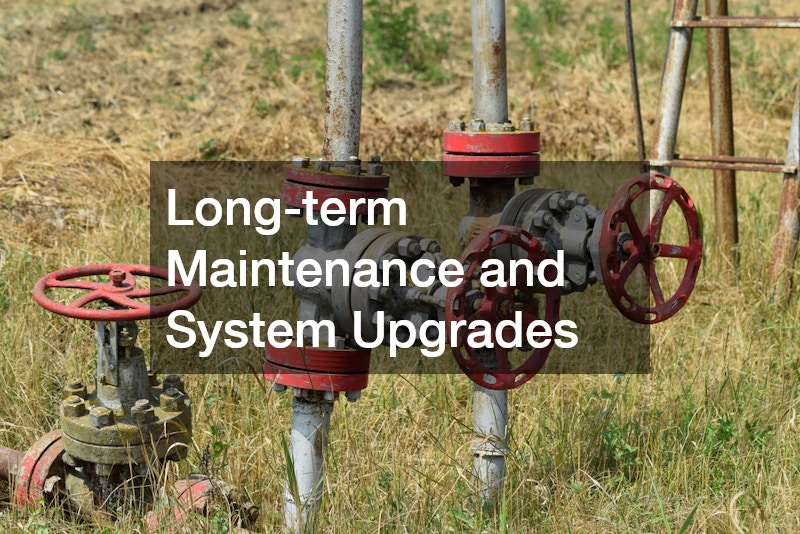
Maintaining a private water well is not a one-time task—it is an ongoing responsibility that ensures consistent performance and water safety over many years. As systems age and technology improves, homeowners benefit from periodically evaluating their setup to determine whether upgrades or replacements could improve efficiency, reliability, or water quality.
One of the most important aspects of long-term maintenance is staying informed about modern advancements in water system technology. Newer pump designs, pressure control systems, and filtration technologies are often more energy-efficient and better suited to handle fluctuating household water demands. Upgrading to these improved systems can enhance performance while also reducing long-term operating costs.
Water pump replacement is a common part of long-term system care. Over time, pumps naturally lose efficiency due to wear and tear, mineral buildup, or motor fatigue. An aging pump may still function but require more energy to deliver the same water pressure. Replacing it with a newer, energy-efficient model can improve water flow consistency while lowering electricity usage, making it both a performance and cost-saving upgrade.
Before making any replacement decisions, it is important to consult with experienced well professionals who understand the specific characteristics of your system. Factors such as well depth, household water demand, and existing infrastructure all influence which pump or equipment upgrade is most appropriate. Professional guidance ensures that upgrades are compatible and optimized for long-term performance.
In addition to pump upgrades, regular evaluation of the water filtration system is essential. Filters can become less effective over time as they accumulate sediment, minerals, and contaminants. Routine inspection and timely replacement of filter components help maintain water clarity, taste, and safety. In some cases, upgrading to a more advanced filtration system may be necessary if water conditions change or new contaminants are detected. Finally, integrating modern water heaters into the overall system can further improve household efficiency, ensuring a consistent and reliable supply of heated water while reducing energy consumption through newer, more efficient technology.
Ongoing System Monitoring and Emergency Preparedness
Beyond routine maintenance and scheduled upgrades, one of the most overlooked aspects of private well ownership is ongoing system monitoring and preparation for unexpected issues. Even a well-designed and professionally installed system can experience sudden changes due to seasonal shifts, groundwater fluctuations, or mechanical wear. Establishing a habit of regularly observing system performance helps homeowners detect early warning signs before they escalate into costly repairs.
Monitoring typically includes paying attention to water pressure consistency, pump cycling behavior, and any changes in water taste, color, or odor. For example, a sudden pressure drop may indicate a failing pump component, while cloudy or discolored water could suggest sediment intrusion or filtration issues. These subtle indicators often appear long before a full system failure, making early recognition a key part of responsible well ownership.
In addition to personal observation, many homeowners benefit from periodic professional inspections that go beyond standard maintenance checks. These evaluations may include pressure testing, electrical system diagnostics for the pump, and assessment of groundwater quality trends over time. Professional oversight ensures that even hidden issues—such as declining aquifer levels or gradual equipment wear—are identified early and addressed appropriately.
Emergency preparedness is another important component of long-term well system care. Unlike municipal water systems, private wells are entirely dependent on on-site equipment, meaning a pump failure or power outage can immediately disrupt access to water. Installing backup power options, such as generators or battery backup systems, can provide critical continuity during outages. In some cases, redundant system components may also be recommended for properties with high water demands.
Homeowners are also encouraged to maintain a relationship with a trusted well service provider who offers emergency response support. Having a reliable contact for urgent repairs ensures that issues such as pump failure, electrical malfunctions, or sudden contamination can be addressed quickly. This level of preparedness not only minimizes downtime but also protects household health and daily functionality. Combining proactive monitoring with emergency planning creates a more resilient and dependable water system. It ensures that homeowners are not only reacting to problems but actively preventing them, strengthening both system reliability and long-term peace of mind.
Long-term success with a private water well is rooted in a mindset of proactive stewardship rather than reactive repair. A well system is not a “set it and forget it” installation—it is a living infrastructure that interacts continuously with groundwater conditions, seasonal weather patterns, and household demand. When homeowners stay ahead of potential issues through routine inspections and preventative maintenance, they significantly reduce the risk of sudden failures and costly emergency repairs.
Timely upgrades also play a major role in maintaining system performance over the years. As water technology continues to evolve, improvements in pump efficiency, filtration precision, and pressure regulation can dramatically enhance both water quality and energy savings. Upgrading aging components before they fail outright helps maintain consistent performance and prevents strain on the rest of the system. In many cases, small, strategic improvements over time are far more cost-effective than waiting for major system breakdowns.
Equally important is ongoing professional oversight. Even the most attentive homeowner benefits from periodic evaluations by experienced well technicians who can identify issues that are not always visible at the surface level. These experts bring specialized tools and knowledge to assess groundwater conditions, mechanical performance, and system integrity as a whole. Their input helps ensure that the system remains compliant, efficient, and safe under changing environmental conditions.
By combining consistent maintenance, informed decision-making, and expert guidance, homeowners create a balanced approach that supports long-term reliability. This integrated strategy helps ensure that water quality remains high, system efficiency is preserved, and unexpected disruptions are minimized.
In conclusion, a residential water well drilling project is a multi-stage investment that extends far beyond the initial installation. From selecting a qualified drilling company and managing the technical drilling process, to installing essential components and maintaining water quality over time, each phase plays a critical role in system success. Careful attention to detail at every step ensures the well is built on a strong foundation and remains dependable for years to come.
When homeowners commit to understanding the process and following best practices for maintenance and upgrades, they gain more than just a water source—they gain long-term independence, sustainability, and peace of mind.

Embarking on a residential water well drilling project is a considerable undertaking, and it’s crucial to be well-prepared and informed about what to expect. Understanding the process, engaging the right professionals, and knowing the choices available are key elements that ensure a successful outcome. This article will provide a comprehensive overview of the steps involved in residential water well drilling, helping you navigate the project smoothly.
Choosing the Right Professionals for Your Project
Selecting a reliable drilling company is one of the most important decisions in the entire private water well process, as it directly influences water quality, system longevity, and overall performance. A reputable contractor should have a strong history of completed well projects, positive customer feedback, and demonstrated experience working in a variety of soil and rock conditions. This track record helps ensure they can handle unexpected challenges that may arise during drilling.
Beyond reputation, proper licensing and certification are essential indicators of professionalism and compliance. Licensed well services follow local and state regulations regarding groundwater protection, safe drilling practices, and environmental standards. This not only protects your investment but also ensures the long-term safety of your water supply. Asking for proof of insurance is equally important, as it safeguards homeowners from liability in case of accidents or property damage during the project.
In many cases, a successful well system also depends on supporting specialists beyond the primary drilling team. For example, pipe fabrication services play a critical role in customizing and securing piping systems that can withstand underground pressure, soil movement, and varying water conditions. Properly fabricated and installed piping reduces the risk of leaks, contamination, and long-term structural issues, helping maintain a reliable water flow for years to come.
Equally important is working with professionals who specialize in well pumps. Since the pump is responsible for bringing water from underground to the surface, its quality and installation directly affect system efficiency. Experienced technicians can recommend the right pump type, whether submersible or jet, and ensure it is properly sized for your well depth and household demand. Many full-service providers also offer ongoing maintenance and emergency repair services, which are invaluable for long-term reliability.
Understanding the Drilling Process
The drilling process begins long before any equipment reaches your property. A site survey and geological assessment are conducted to evaluate underground conditions such as soil composition, rock layers, and water table depth. This step is critical because it determines both the ideal drilling location and the expected yield of the well. A well-planned survey significantly reduces the risk of drilling in a low-yield or unsuitable area.
Once the site is selected, the drilling company manages the necessary permits and regulatory approvals. These permits ensure compliance with environmental guidelines and local groundwater protection laws. Proper permitting also confirms that the well will not interfere with neighboring water sources or protected aquifers, which is essential for responsible water usage.
Drilling itself is a highly technical process that involves specialized rigs and equipment designed to penetrate varying ground conditions. Depending on the geology, the process may involve rotary drilling, percussion drilling, or other advanced techniques. The depth and complexity of drilling can vary significantly from one location to another, meaning timelines are often flexible rather than fixed.
After reaching the required depth and confirming sufficient water presence, the well is cased. This involves installing a durable lining—usually steel or PVC—that stabilizes the well walls and prevents collapse. Proper casing also plays a major role in protecting the water supply from surface contaminants, ensuring the long-term safety and cleanliness of the well system.
Installation of Essential Components
Once the well structure is complete, attention shifts to installing the essential operational components that bring the system to life. The most critical of these is the well pump, which is responsible for lifting water from underground and delivering it to your home or property. Choosing the correct pump depends on factors such as well depth, water demand, and pressure requirements. A properly matched pump ensures consistent water flow without overworking the system.
In addition to the pump, many homeowners require a filtration system to improve water quality. Depending on local groundwater conditions, this may include sediment filters, carbon filters, or more advanced purification systems designed to remove contaminants such as iron, sulfur, or bacteria. Professional testing of water quality is typically performed to determine which filtration setup is most appropriate for safe and reliable household use.
For properties with hard water conditions, a water softener system is often an important final component. Hard water can lead to mineral buildup in pipes, reduced appliance efficiency, and scale deposits on fixtures. A softener helps reduce calcium and magnesium levels, improving the feel and extending the lifespan of plumbing systems and household appliances. When properly installed and maintained, these systems significantly enhance both water quality and long-term infrastructure performance.
Testing and Ensuring Water Quality
After a private water well is installed, the most important next step is ensuring that the water is safe, clean, and suitable for household use. Even when a well is properly drilled and constructed, underground water sources can naturally contain minerals, sediments, or contaminants that need to be identified before regular use begins. This is why professional water testing is not just recommended—it is essential for long-term health and safety.
Initial testing typically involves collecting water samples directly from the system and analyzing them in a certified laboratory. These tests screen for a wide range of potential concerns, including bacteria (such as coliform or E. coli), nitrates, heavy metals like lead or arsenic, and other chemical contaminants that may be present depending on the surrounding geology. Understanding these results helps determine whether the water is immediately safe or requires treatment before consumption.
Specialized well service providers often play a key role in interpreting these results. Beyond simply identifying contaminants, they can recommend tailored treatment solutions based on the specific issues found in your water supply. This may include installing filtration systems, disinfection units, or water conditioning equipment designed to correct imbalances and ensure safe drinking water throughout the home.
Ongoing maintenance is just as important as initial testing. Regular inspections of the pump system, pressure tank, and filtration units help ensure everything continues to function efficiently. Establishing a scheduled maintenance plan with a qualified service provider allows homeowners to catch small issues early—before they develop into more serious system failures or water quality concerns.
If problems do arise, such as inconsistent pressure or sudden changes in water clarity or taste, prompt well pump repairs becomes critical. These issues may indicate mechanical wear, electrical faults, or blockages within the system. Professional technicians can quickly diagnose and resolve these problems, restoring proper function and ensuring uninterrupted access to clean water.
Long-term Maintenance and System Upgrades
Maintaining a private water well is not a one-time task—it is an ongoing responsibility that ensures consistent performance and water safety over many years. As systems age and technology improves, homeowners benefit from periodically evaluating their setup to determine whether upgrades or replacements could improve efficiency, reliability, or water quality.
One of the most important aspects of long-term maintenance is staying informed about modern advancements in water system technology. Newer pump designs, pressure control systems, and filtration technologies are often more energy-efficient and better suited to handle fluctuating household water demands. Upgrading to these improved systems can enhance performance while also reducing long-term operating costs.
Water pump replacement is a common part of long-term system care. Over time, pumps naturally lose efficiency due to wear and tear, mineral buildup, or motor fatigue. An aging pump may still function but require more energy to deliver the same water pressure. Replacing it with a newer, energy-efficient model can improve water flow consistency while lowering electricity usage, making it both a performance and cost-saving upgrade.
Before making any replacement decisions, it is important to consult with experienced well professionals who understand the specific characteristics of your system. Factors such as well depth, household water demand, and existing infrastructure all influence which pump or equipment upgrade is most appropriate. Professional guidance ensures that upgrades are compatible and optimized for long-term performance.
In addition to pump upgrades, regular evaluation of the water filtration system is essential. Filters can become less effective over time as they accumulate sediment, minerals, and contaminants. Routine inspection and timely replacement of filter components help maintain water clarity, taste, and safety. In some cases, upgrading to a more advanced filtration system may be necessary if water conditions change or new contaminants are detected. Finally, integrating modern water heaters into the overall system can further improve household efficiency, ensuring a consistent and reliable supply of heated water while reducing energy consumption through newer, more efficient technology.
Ongoing System Monitoring and Emergency Preparedness
Beyond routine maintenance and scheduled upgrades, one of the most overlooked aspects of private well ownership is ongoing system monitoring and preparation for unexpected issues. Even a well-designed and professionally installed system can experience sudden changes due to seasonal shifts, groundwater fluctuations, or mechanical wear. Establishing a habit of regularly observing system performance helps homeowners detect early warning signs before they escalate into costly repairs.
Monitoring typically includes paying attention to water pressure consistency, pump cycling behavior, and any changes in water taste, color, or odor. For example, a sudden pressure drop may indicate a failing pump component, while cloudy or discolored water could suggest sediment intrusion or filtration issues. These subtle indicators often appear long before a full system failure, making early recognition a key part of responsible well ownership.
In addition to personal observation, many homeowners benefit from periodic professional inspections that go beyond standard maintenance checks. These evaluations may include pressure testing, electrical system diagnostics for the pump, and assessment of groundwater quality trends over time. Professional oversight ensures that even hidden issues—such as declining aquifer levels or gradual equipment wear—are identified early and addressed appropriately.
Emergency preparedness is another important component of long-term well system care. Unlike municipal water systems, private wells are entirely dependent on on-site equipment, meaning a pump failure or power outage can immediately disrupt access to water. Installing backup power options, such as generators or battery backup systems, can provide critical continuity during outages. In some cases, redundant system components may also be recommended for properties with high water demands.
Homeowners are also encouraged to maintain a relationship with a trusted well service provider who offers emergency response support. Having a reliable contact for urgent repairs ensures that issues such as pump failure, electrical malfunctions, or sudden contamination can be addressed quickly. This level of preparedness not only minimizes downtime but also protects household health and daily functionality. Combining proactive monitoring with emergency planning creates a more resilient and dependable water system. It ensures that homeowners are not only reacting to problems but actively preventing them, strengthening both system reliability and long-term peace of mind.
Long-term success with a private water well is rooted in a mindset of proactive stewardship rather than reactive repair. A well system is not a “set it and forget it” installation—it is a living infrastructure that interacts continuously with groundwater conditions, seasonal weather patterns, and household demand. When homeowners stay ahead of potential issues through routine inspections and preventative maintenance, they significantly reduce the risk of sudden failures and costly emergency repairs.
Timely upgrades also play a major role in maintaining system performance over the years. As water technology continues to evolve, improvements in pump efficiency, filtration precision, and pressure regulation can dramatically enhance both water quality and energy savings. Upgrading aging components before they fail outright helps maintain consistent performance and prevents strain on the rest of the system. In many cases, small, strategic improvements over time are far more cost-effective than waiting for major system breakdowns.
Equally important is ongoing professional oversight. Even the most attentive homeowner benefits from periodic evaluations by experienced well technicians who can identify issues that are not always visible at the surface level. These experts bring specialized tools and knowledge to assess groundwater conditions, mechanical performance, and system integrity as a whole. Their input helps ensure that the system remains compliant, efficient, and safe under changing environmental conditions.
By combining consistent maintenance, informed decision-making, and expert guidance, homeowners create a balanced approach that supports long-term reliability. This integrated strategy helps ensure that water quality remains high, system efficiency is preserved, and unexpected disruptions are minimized.
In conclusion, a residential water well drilling project is a multi-stage investment that extends far beyond the initial installation. From selecting a qualified drilling company and managing the technical drilling process, to installing essential components and maintaining water quality over time, each phase plays a critical role in system success. Careful attention to detail at every step ensures the well is built on a strong foundation and remains dependable for years to come.
When homeowners commit to understanding the process and following best practices for maintenance and upgrades, they gain more than just a water source—they gain long-term independence, sustainability, and peace of mind.

Embarking on a residential water well drilling project is a considerable undertaking, and it’s crucial to be well-prepared and informed about what to expect. Understanding the process, engaging the right professionals, and knowing the choices available are key elements that ensure a successful outcome. This article will provide a comprehensive overview of the steps involved in residential water well drilling, helping you navigate the project smoothly.
Choosing the Right Professionals for Your Project
Selecting a reliable drilling company is one of the most important decisions in the entire private water well process, as it directly influences water quality, system longevity, and overall performance. A reputable contractor should have a strong history of completed well projects, positive customer feedback, and demonstrated experience working in a variety of soil and rock conditions. This track record helps ensure they can handle unexpected challenges that may arise during drilling.
Beyond reputation, proper licensing and certification are essential indicators of professionalism and compliance. Licensed well services follow local and state regulations regarding groundwater protection, safe drilling practices, and environmental standards. This not only protects your investment but also ensures the long-term safety of your water supply. Asking for proof of insurance is equally important, as it safeguards homeowners from liability in case of accidents or property damage during the project.
In many cases, a successful well system also depends on supporting specialists beyond the primary drilling team. For example, pipe fabrication services play a critical role in customizing and securing piping systems that can withstand underground pressure, soil movement, and varying water conditions. Properly fabricated and installed piping reduces the risk of leaks, contamination, and long-term structural issues, helping maintain a reliable water flow for years to come.
Equally important is working with professionals who specialize in well pumps. Since the pump is responsible for bringing water from underground to the surface, its quality and installation directly affect system efficiency. Experienced technicians can recommend the right pump type, whether submersible or jet, and ensure it is properly sized for your well depth and household demand. Many full-service providers also offer ongoing maintenance and emergency repair services, which are invaluable for long-term reliability.
Understanding the Drilling Process
The drilling process begins long before any equipment reaches your property. A site survey and geological assessment are conducted to evaluate underground conditions such as soil composition, rock layers, and water table depth. This step is critical because it determines both the ideal drilling location and the expected yield of the well. A well-planned survey significantly reduces the risk of drilling in a low-yield or unsuitable area.
Once the site is selected, the drilling company manages the necessary permits and regulatory approvals. These permits ensure compliance with environmental guidelines and local groundwater protection laws. Proper permitting also confirms that the well will not interfere with neighboring water sources or protected aquifers, which is essential for responsible water usage.
Drilling itself is a highly technical process that involves specialized rigs and equipment designed to penetrate varying ground conditions. Depending on the geology, the process may involve rotary drilling, percussion drilling, or other advanced techniques. The depth and complexity of drilling can vary significantly from one location to another, meaning timelines are often flexible rather than fixed.
After reaching the required depth and confirming sufficient water presence, the well is cased. This involves installing a durable lining—usually steel or PVC—that stabilizes the well walls and prevents collapse. Proper casing also plays a major role in protecting the water supply from surface contaminants, ensuring the long-term safety and cleanliness of the well system.
Installation of Essential Components
Once the well structure is complete, attention shifts to installing the essential operational components that bring the system to life. The most critical of these is the well pump, which is responsible for lifting water from underground and delivering it to your home or property. Choosing the correct pump depends on factors such as well depth, water demand, and pressure requirements. A properly matched pump ensures consistent water flow without overworking the system.
In addition to the pump, many homeowners require a filtration system to improve water quality. Depending on local groundwater conditions, this may include sediment filters, carbon filters, or more advanced purification systems designed to remove contaminants such as iron, sulfur, or bacteria. Professional testing of water quality is typically performed to determine which filtration setup is most appropriate for safe and reliable household use.
For properties with hard water conditions, a water softener system is often an important final component. Hard water can lead to mineral buildup in pipes, reduced appliance efficiency, and scale deposits on fixtures. A softener helps reduce calcium and magnesium levels, improving the feel and extending the lifespan of plumbing systems and household appliances. When properly installed and maintained, these systems significantly enhance both water quality and long-term infrastructure performance.
Testing and Ensuring Water Quality
After a private water well is installed, the most important next step is ensuring that the water is safe, clean, and suitable for household use. Even when a well is properly drilled and constructed, underground water sources can naturally contain minerals, sediments, or contaminants that need to be identified before regular use begins. This is why professional water testing is not just recommended—it is essential for long-term health and safety.
Initial testing typically involves collecting water samples directly from the system and analyzing them in a certified laboratory. These tests screen for a wide range of potential concerns, including bacteria (such as coliform or E. coli), nitrates, heavy metals like lead or arsenic, and other chemical contaminants that may be present depending on the surrounding geology. Understanding these results helps determine whether the water is immediately safe or requires treatment before consumption.
Specialized well service providers often play a key role in interpreting these results. Beyond simply identifying contaminants, they can recommend tailored treatment solutions based on the specific issues found in your water supply. This may include installing filtration systems, disinfection units, or water conditioning equipment designed to correct imbalances and ensure safe drinking water throughout the home.
Ongoing maintenance is just as important as initial testing. Regular inspections of the pump system, pressure tank, and filtration units help ensure everything continues to function efficiently. Establishing a scheduled maintenance plan with a qualified service provider allows homeowners to catch small issues early—before they develop into more serious system failures or water quality concerns.
If problems do arise, such as inconsistent pressure or sudden changes in water clarity or taste, prompt well pump repairs becomes critical. These issues may indicate mechanical wear, electrical faults, or blockages within the system. Professional technicians can quickly diagnose and resolve these problems, restoring proper function and ensuring uninterrupted access to clean water.
Long-term Maintenance and System Upgrades
Maintaining a private water well is not a one-time task—it is an ongoing responsibility that ensures consistent performance and water safety over many years. As systems age and technology improves, homeowners benefit from periodically evaluating their setup to determine whether upgrades or replacements could improve efficiency, reliability, or water quality.
One of the most important aspects of long-term maintenance is staying informed about modern advancements in water system technology. Newer pump designs, pressure control systems, and filtration technologies are often more energy-efficient and better suited to handle fluctuating household water demands. Upgrading to these improved systems can enhance performance while also reducing long-term operating costs.
Water pump replacement is a common part of long-term system care. Over time, pumps naturally lose efficiency due to wear and tear, mineral buildup, or motor fatigue. An aging pump may still function but require more energy to deliver the same water pressure. Replacing it with a newer, energy-efficient model can improve water flow consistency while lowering electricity usage, making it both a performance and cost-saving upgrade.
Before making any replacement decisions, it is important to consult with experienced well professionals who understand the specific characteristics of your system. Factors such as well depth, household water demand, and existing infrastructure all influence which pump or equipment upgrade is most appropriate. Professional guidance ensures that upgrades are compatible and optimized for long-term performance.
In addition to pump upgrades, regular evaluation of the water filtration system is essential. Filters can become less effective over time as they accumulate sediment, minerals, and contaminants. Routine inspection and timely replacement of filter components help maintain water clarity, taste, and safety. In some cases, upgrading to a more advanced filtration system may be necessary if water conditions change or new contaminants are detected. Finally, integrating modern water heaters into the overall system can further improve household efficiency, ensuring a consistent and reliable supply of heated water while reducing energy consumption through newer, more efficient technology.
Ongoing System Monitoring and Emergency Preparedness
Beyond routine maintenance and scheduled upgrades, one of the most overlooked aspects of private well ownership is ongoing system monitoring and preparation for unexpected issues. Even a well-designed and professionally installed system can experience sudden changes due to seasonal shifts, groundwater fluctuations, or mechanical wear. Establishing a habit of regularly observing system performance helps homeowners detect early warning signs before they escalate into costly repairs.
Monitoring typically includes paying attention to water pressure consistency, pump cycling behavior, and any changes in water taste, color, or odor. For example, a sudden pressure drop may indicate a failing pump component, while cloudy or discolored water could suggest sediment intrusion or filtration issues. These subtle indicators often appear long before a full system failure, making early recognition a key part of responsible well ownership.
In addition to personal observation, many homeowners benefit from periodic professional inspections that go beyond standard maintenance checks. These evaluations may include pressure testing, electrical system diagnostics for the pump, and assessment of groundwater quality trends over time. Professional oversight ensures that even hidden issues—such as declining aquifer levels or gradual equipment wear—are identified early and addressed appropriately.
Emergency preparedness is another important component of long-term well system care. Unlike municipal water systems, private wells are entirely dependent on on-site equipment, meaning a pump failure or power outage can immediately disrupt access to water. Installing backup power options, such as generators or battery backup systems, can provide critical continuity during outages. In some cases, redundant system components may also be recommended for properties with high water demands.
Homeowners are also encouraged to maintain a relationship with a trusted well service provider who offers emergency response support. Having a reliable contact for urgent repairs ensures that issues such as pump failure, electrical malfunctions, or sudden contamination can be addressed quickly. This level of preparedness not only minimizes downtime but also protects household health and daily functionality. Combining proactive monitoring with emergency planning creates a more resilient and dependable water system. It ensures that homeowners are not only reacting to problems but actively preventing them, strengthening both system reliability and long-term peace of mind.
Long-term success with a private water well is rooted in a mindset of proactive stewardship rather than reactive repair. A well system is not a “set it and forget it” installation—it is a living infrastructure that interacts continuously with groundwater conditions, seasonal weather patterns, and household demand. When homeowners stay ahead of potential issues through routine inspections and preventative maintenance, they significantly reduce the risk of sudden failures and costly emergency repairs.
Timely upgrades also play a major role in maintaining system performance over the years. As water technology continues to evolve, improvements in pump efficiency, filtration precision, and pressure regulation can dramatically enhance both water quality and energy savings. Upgrading aging components before they fail outright helps maintain consistent performance and prevents strain on the rest of the system. In many cases, small, strategic improvements over time are far more cost-effective than waiting for major system breakdowns.
Equally important is ongoing professional oversight. Even the most attentive homeowner benefits from periodic evaluations by experienced well technicians who can identify issues that are not always visible at the surface level. These experts bring specialized tools and knowledge to assess groundwater conditions, mechanical performance, and system integrity as a whole. Their input helps ensure that the system remains compliant, efficient, and safe under changing environmental conditions.
By combining consistent maintenance, informed decision-making, and expert guidance, homeowners create a balanced approach that supports long-term reliability. This integrated strategy helps ensure that water quality remains high, system efficiency is preserved, and unexpected disruptions are minimized.
In conclusion, a residential water well drilling project is a multi-stage investment that extends far beyond the initial installation. From selecting a qualified drilling company and managing the technical drilling process, to installing essential components and maintaining water quality over time, each phase plays a critical role in system success. Careful attention to detail at every step ensures the well is built on a strong foundation and remains dependable for years to come.
When homeowners commit to understanding the process and following best practices for maintenance and upgrades, they gain more than just a water source—they gain long-term independence, sustainability, and peace of mind.