Every homeowner wants two things: a safe place to raise a family and an asset that holds its value over time. The good news is these goals are not separate projects but connected investments that reinforce each other. Small weaknesses in a home’s structure, like an aging roof or outdated wiring, can quietly put both safety and resale value at risk. This guide walks through the structural upgrades that matter most, so you can prioritize wisely and protect what matters.
Why Structural Health Comes Before Cosmetic Upgrades
It is tempting to spend renovation budgets on paint colors and new fixtures because the results are immediately visible. However, a home’s bones, its roof, foundation, electrical system, and load-bearing structures, determine whether those cosmetic choices actually last. A fresh coat of paint over a hairline foundation crack, or new hardwood floors laid over a sagging joist, only masks a problem that will resurface and cost far more to fix later.
Buyers and inspectors alike look past surface finishes to check whether the underlying systems are sound. A home inspection typically flags issues like roof age, panel amperage, moisture intrusion, and foundation settling before it ever comments on paint or decor. A home with an aging 60-amp electrical panel or a roof past its 20-year lifespan can lose thousands in appraised value, regardless of how updated the kitchen looks.
Prioritizing structural integrity first protects your investment and prevents costly rework later. Addressing a small foundation crack or minor roof leak early might cost a few hundred dollars, while ignoring it can snowball into a five-figure repair involving drywall, flooring, and structural bracing. Structural health is the foundation, sometimes literally, on which every cosmetic upgrade’s value depends.
Think of structural upgrades as insurance policies that also happen to improve daily comfort. A well-maintained foundation, roof, and framing reduce emergency repair costs that often run into the tens of thousands of dollars when neglect turns into failure. Some insurers even offer premium discounts of 5-15% for homes with reinforced roofing, updated wiring, or foundation certifications, since these upgrades lower the likelihood of costly claims.
Beyond the financial math, structural soundness gives you genuine peace of mind during storms, earthquakes, or extreme temperature swings. Knowing your home can handle 80-mph winds or heavy snow loads means less anxiety when severe weather hits.
Once the fundamentals are solid, cosmetic improvements become long-term investments rather than short-term fixes. A new kitchen or fresh siding holds its value far better when it’s not undermined by a leaking roof or shifting foundation underneath it.
The Roof Is Your First Line of Defense
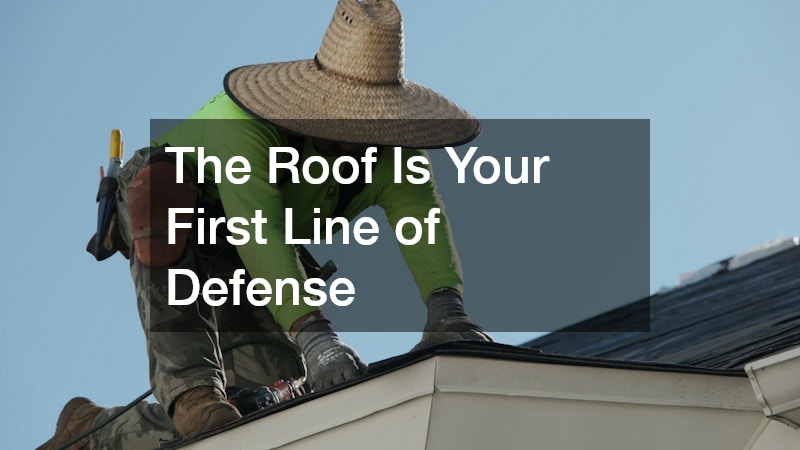
Your roof takes on more punishment than almost any other part of the house, from sun exposure to hail to heavy snow loads. A roof that is past its expected lifespan can lead to hidden leaks, mold growth, and insulation damage long before you notice a problem indoors. Scheduling an inspection every few years helps catch small issues before they become major structural failures.
When repairs are no longer enough, a full roof replacement is often the more cost-effective choice over patch after patch. Newer roofing materials offer improved impact resistance, better energy efficiency, and longer warranties than options available even a decade ago. Because the roof affects both safety and curb appeal, it is consistently one of the upgrades that delivers the strongest return when a home eventually sells.
- Watch for curling, missing, or cracked shingles as early warning signs
- Check attic spaces for water stains or daylight coming through the decking
- Compare material lifespans, since metal and architectural shingles often outlast basic asphalt
- Ask about wind and impact ratings if you live in a storm-prone region
Windows That Do More Than Let in Light
Older windows are a common source of drafts, energy loss, and even security vulnerabilities. Single-pane glass and warped frames allow moisture in, which can lead to wood rot around the window opening and weaken the surrounding wall structure over time. Replacing these units is one of the more overlooked structural improvements homeowners can make.
Working with an experienced window installation company ensures that new units are properly flashed and sealed, which matters just as much as the glass quality itself. Poor installation can undo the benefits of even the best energy-efficient windows, allowing water intrusion that damages framing. A professional installation also typically comes with warranty protection that covers both the product and the workmanship, giving you added confidence in the investment.
Fire Protection Is a Non-Negotiable Safety Layer
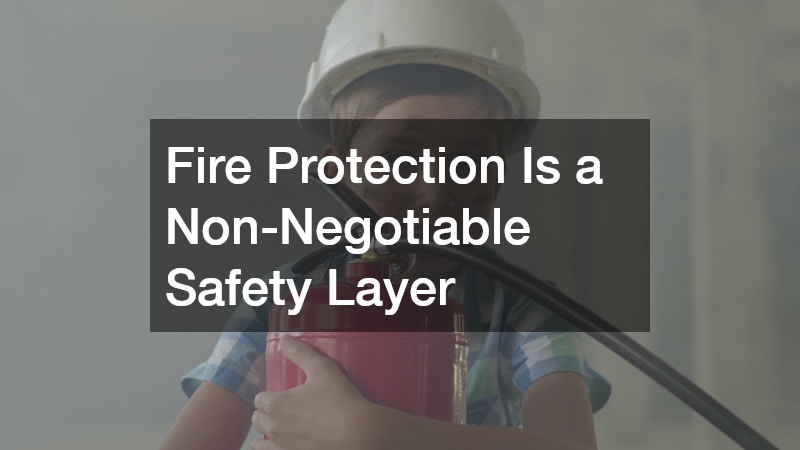
Fire remains one of the fastest-moving threats a household can face, which is why prevention and early detection matter so much. A modern fire protection system does more than sound an alarm; many now include smoke and heat sensors, connected notifications to your phone, and integration with sprinkler systems in larger homes. These systems buy critical minutes that can make the difference between a small incident and a total loss.
Beyond installation, regular testing and maintenance are essential because a fire safety system is only as reliable as its weakest component. Homeowners should test smoke detectors monthly, replace batteries at least once a year, and have professionally installed systems inspected annually. Insurance providers often offer premium discounts for homes with monitored fire protection, which adds a financial incentive on top of the safety benefit.
- Install smoke detectors on every level and inside sleeping areas
- Keep fire extinguishers in the kitchen, garage, and near heating equipment
- Test any monitored system’s connection to emergency services annually
- Clear vegetation and debris away from exterior walls in wildfire-prone areas
Electrical Systems Built for Modern Demands
Homes built even 20 years ago were not designed for the number of devices, appliances, and smart home systems most families now use daily. Overloaded circuits and outdated panels are a leading cause of residential electrical fires, and they can also limit your ability to add features like EV chargers or upgraded kitchens. A licensed electrician can assess whether your current panel and wiring can safely handle your household’s demands.
Hiring qualified electrical contractors for any panel upgrade or rewiring project is not an area where shortcuts should be taken. Improper wiring can create hidden fire hazards that are difficult to detect until it is too late, and it can also complicate a home sale if it fails inspection. A properly updated electrical system, backed by permits and inspection sign-off, is a selling point that appraisers and buyers actively look for.
Comfort and Air Quality Through Reliable HVAC
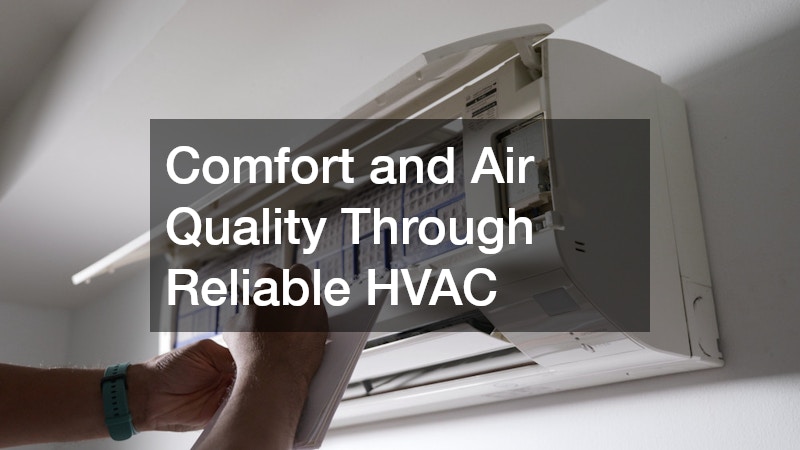
Heating and cooling systems are often taken for granted until they fail, usually during the most extreme weather of the year. A furnace giving out during a January cold snap or an air conditioner quitting in the middle of a summer heat wave isn’t just inconvenient—it can become a genuine safety issue for young children, elderly family members, and anyone with underlying health conditions.
Beyond comfort, a poorly functioning system can contribute to humidity problems, mold growth, and poor indoor air quality that affects respiratory health. Clogged filters, leaky ductwork, and aging components allow dust, allergens, and excess moisture to circulate through the home, which can trigger asthma symptoms and allergic reactions. Over time, unchecked humidity can also warp flooring, peel paint, and weaken drywall, turning an air quality issue into a costly repair project.
Scheduling routine HVAC repair before small issues become full breakdowns saves money and protects the people living in the home. Simple maintenance steps—replacing filters every one to three months, having ductwork inspected annually, and scheduling a professional tune-up each spring and fall—can extend a system’s lifespan by several years. Catching a failing capacitor or a small refrigerant leak early often costs a fraction of what an emergency system replacement would run, making preventive care one of the most practical investments a homeowner can make.
A well-maintained HVAC system also plays a role in protecting the structure itself, since consistent temperature and humidity control reduces stress on wood framing, drywall, and finishes. Ideal indoor humidity typically falls between 30% and 50%; levels above that range invite condensation, warped trim, and swollen door frames, while levels below it can crack plaster and loosen joints.
Many homeowners are surprised to learn that neglected HVAC systems can contribute to condensation issues that lead to mold behind walls, particularly in attics, crawl spaces, and around poorly insulated ductwork where temperature differentials are greatest. A musty odor or discolored ceiling tile is often the first visible clue that moisture has been accumulating out of sight.
Annual tune-ups, filter changes every one to three months, and prompt repairs extend equipment life and keep energy bills predictable. Scheduling a professional inspection before each cooling and heating season also catches small issues, like a failing capacitor or a clogged condensate line, before they become costly emergency replacements.
Backup Power for Uninterrupted Safety
Power outages are becoming more frequent in many regions due to aging grid infrastructure and increasingly severe weather events. For families with medical equipment, home offices, or simply a desire to keep food from spoiling, losing power for even a day can be a serious disruption. Whole house generators offer a level of preparedness that portable units cannot match, automatically kicking in within seconds of an outage.
These systems are wired directly into your home’s electrical panel and can power everything from HVAC systems to refrigerators to security systems without interruption. While the upfront investment is higher than a portable generator, many homeowners find the reliability and convenience worth the cost, especially in areas prone to extended outages. Real estate agents also note that backup power systems are increasingly a selling feature buyers specifically ask about.
- Size the generator based on total household wattage needs, not just guesswork
- Schedule annual maintenance to ensure the transfer switch and battery function properly
- Keep fuel or gas lines inspected according to manufacturer recommendations
- Confirm local permitting requirements before installation begins
Fencing and Perimeter Security
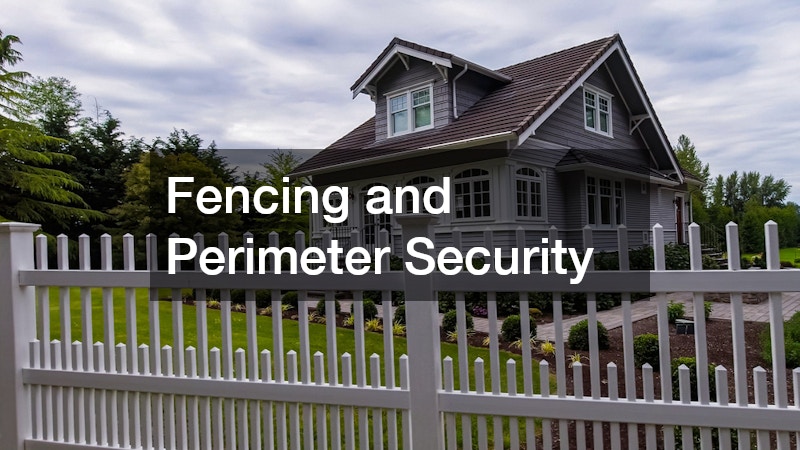
A secure perimeter contributes to both safety and privacy, and it is one of the first things visitors and potential buyers notice about a property. A quality fence keeps children and pets safely contained, deters unwanted foot traffic, and can even reduce noise from busy streets. Choosing the right materials matters, since wood, vinyl, and metal all have different maintenance needs and lifespans depending on your climate.
Working with an established fencing company helps ensure proper post depth, appropriate materials for local soil conditions, and compliance with neighborhood or municipal codes. Poorly installed fencing can lean, rot, or become a liability if it fails to meet setback requirements. A well-built fence is a relatively affordable upgrade that consistently adds to a home’s perceived value and curb appeal.
Custom Garages and Storage That Add Real Value
Garages have evolved far beyond simple parking spaces into extensions of the home used for workshops, gyms, and additional storage. A custom garage designed around your actual needs, whether that means extra insulation, built-in workbenches, or reinforced flooring, adds functional square footage that buyers notice. Because garages often take structural stress from heavy vehicles and equipment, it is worth ensuring the foundation and framing are built to handle the intended use.
Any major garage build or renovation project also depends on sourcing quality materials, since lower-grade lumber or hardware can shorten the lifespan of the structure significantly. Visiting a reputable building supplies retailer and asking about grade, treatment, and warranty options helps ensure the materials match the project’s demands. Investing a bit more upfront in durable materials typically pays off through fewer repairs and a longer-lasting structure overall.
Interior Reinforcements That Protect Long-Term Value
Structural protection is not limited to the exterior of a home; interior systems like storage and organization also play a role in preserving value. Custom cabinetry, for example, is often built with sturdier joinery and higher-quality materials than standard prefabricated units, which means it holds up better to years of daily use. Well-designed cabinetry also maximizes storage efficiency, reducing clutter that can contribute to wear and tear on floors and walls.
Beyond durability, thoughtfully designed interior storage tends to be one of the features buyers specifically comment on during home tours. Kitchens and bathrooms with quality cabinetry photograph well and signal to buyers that the rest of the home has likely been maintained with similar care. When paired with solid structural systems throughout the home, these details help create a cohesive impression of quality and long-term value.
Protecting your family and your property value does not require tackling every upgrade at once, but it does require knowing where to focus first. Start with the systems that carry the highest safety stakes, like fire protection, electrical, and roofing, then move toward improvements that add comfort and long-term durability. A little planning now, paired with the right professionals for each job, can save you from costly surprises later. Take stock of your home’s current condition and make a prioritized plan so every future upgrade builds on a genuinely solid foundation.