The contemporary home is undergoing a fundamental transformation. For decades, residential design treated aesthetic beauty and operational efficiency as two entirely separate tracks. A sleek, modern house often meant expansive single-pane glass, uninsulated open layouts, and heavy energy consumption. Conversely, an energy-efficient home often called to mind bulky solar arrays, awkward architectural compromises, and utilitarian interiors.
Today, that trade-off no longer exists. Modern residential design is defined as much by how intelligently a home operates as by its visual elegance. Eco-conscious living no longer demands aesthetic sacrifice. Advances in building science, non-toxic material manufacturing, and smart home technology make it possible to craft living spaces that feature clean lines, rich textures, and dramatic natural light while drastically curbing energy consumption and carbon emissions.
Modernizing your living space with a focus on sustainability delivers benefits far beyond lowering monthly power bills. It creates a healthier, quieter indoor environment free of off-gassing chemicals and drafty microclimates. It protects your property against rising energy costs, future-proofs it against shifting environmental regulations, and yields a measurable boost in market value.
Whether you are planning a full-scale renovation or taking a strategic, phased approach to upgrades, this guide provides a deep, practical breakdown of how to harmonize high-end modern design with cutting-edge sustainability.
Swap Drafty Profiles for Thermally Broken, High-Performance Framing
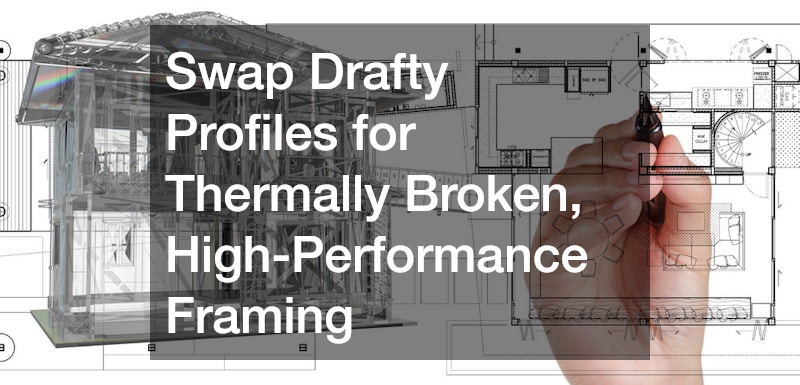
Traditional windows with basic aluminum or wood frames act as thermal bridges, allowing interior heat to escape during the winter and solar radiation to bake your living areas in the summer. Modern architectural trends favor expansive floor-to-ceiling glass, ultra-slim profiles, and deep black or dark bronze exterior frames. Achieving this look without incurring massive heating and cooling penalties requires high-performance glazing assemblies.
- Specify Triple-Pane Glass: Double-pane glass was once the benchmark, but triple-pane units filled with argon or krypton gas offer superior thermal performance. They dramatically lower the Solar Heat Gain Coefficient (SHGC) while maintaining high visual light transmittance.
- Select Thermally Broken Frames: Metal frames are durable and support slim sightlines, but raw metal conducts heat quickly. Look for thermally broken aluminum frames that feature a structural polyamide insulator between the interior and exterior profile to eliminate heat transfer.
- Integrate Low-E Coatings: Spectrally selective Low-Emissivity (Low-E) coatings reflect infrared heat while letting in maximum visible light, preventing your furniture and flooring from fading under harsh sunlight.
Beyond glass, your entry doors represent major points of thermal air leakage and security vulnerabilities. Modern minimalist doors feature clean geometric lines, concealed hinges, and integrated smart access hardware. To maximize energy performance, choose doors built with an insulated polyurethane core rather than solid wood or hollow metal.
Proper installation is critical; even the highest-rated door will underperform if the frame is out of plumb or improperly sealed. Consulting an experienced door company ensures the threshold, jambs, and surrounding air barriers are seamlessly integrated with high-performance weatherstripping, eliminating subtle drafts that force your heating system to work overtime.
Upgrade Above Your Head to Reflect Solar Heat and Harvest Energy
The roof is your home’s primary surface area for solar exposure. Older asphalt shingle roofs absorb vast amounts of radiant heat, trapping it in the attic space and radiating it down into living areas long after the sun goes down.
When updating your roof profile for a sleek, contemporary aesthetic, choose materials that actively manage thermal energy:
- Standing-Seam Metal Roofing: Characterized by clean, vertical lines and hidden fasteners, standing-seam metal roofs offer a modern profile with a lifespan of 50 years or more. When finished with cool-roof reflective pigments, they bounce away up to 70% of solar energy.
- Integrated Solar Roof Tiles: If traditional rack-mounted solar panels disrupt your architectural lines, look to building-integrated photovoltaics (BIPV). These sleek tiles double as durable roofing materials while quietly generating clean electricity.
- Continuous Above-Deck Insulation: During a roof replacement, adding a continuous layer of rigid polyisocyanurate insulation over the roof deck prevents thermal bridging through the rafters, raising the overall R-value of your roof assembly.
Hidden moisture and gaps in your attic insulation can quietly compromise these high-performance materials. Before committing to a complete roof replacement or installing high-value insulation, have qualified roofing companies perform a comprehensive roof inspection using infrared thermal imaging. This diagnostic step identifies trapped moisture, missing insulation batts, and air leaks around vents before new materials are installed, protecting your investment for decades to come.
Optimize Layouts for Energy-Efficient Appliances and Induction Cooking
The trend toward minimalist kitchen design centers on flush surfaces, handleless flat-panel cabinetry, integrated panel-ready appliances, and uncluttered quartz or recycled paper-composite countertops. To align this aesthetic with high efficiency, transition your cooking appliances from fossil fuels to high-performance electric systems.
Induction cooktops have emerged as the gold standard for high-end culinary performance and environmental health. Unlike traditional gas burners, which release nitrogen dioxide, carbon monoxide, and unburned methane into your kitchen air, induction relies on electromagnetic fields to transfer heat directly to magnetic cookware.
- Immediate Thermal Response: Induction offers pinpoint temperature control, bringing water to a boil in half the time of gas while keeping the surrounding glass surface cool to the touch.
- Superior Efficiency: Induction transfers roughly 90% of its electromagnetic energy directly to the pan, compared to just 40% efficiency for traditional gas cooktops, which waste most of their energy heating the surrounding air.
- Simplified Maintenance: The seamless glass surface wipes down easily without requiring chemical cleaners or complex grate removal.
Beyond the cooktop, refrigeration layout plays a massive role in baseline energy draw. Refrigerators must dissipate heat efficiently to operate at peak performance. Working alongside certified kitchen remodeling services during the layout phase ensures that built-in and panel-ready refrigerators are designed with dedicated ventilation channels. Providing adequate clearance above and behind compression units prevents heat build-up, allowing appliances to maintain precise internal temperatures using minimal power.
Integrate Smart Water Management into Sleek Island Workstations
Modern kitchen islands serve multi-functional roles as prep zones, casual dining areas, and entertainment hubs. Incorporating sustainable water infrastructure into these focal points reduces both daily utility costs and water waste.
- Low-Flow Touchless Faucets: High-efficiency aerated spray heads maintain strong water pressure while dropping flow rates from the standard 2.2 gallons per minute (GPM) down to 1.5 GPM or lower. Integrated infrared sensors prevent the faucet from running unnecessarily during food prep.
- Point-of-Use Filtration: Installing multi-stage reverse osmosis or sub-micron carbon filtration directly at the island sink delivers pristine drinking water, completely eliminating the need for bottled water systems and single-use plastics.
- Under-Sink Composting Drawers: Modern pull-out waste centers now feature integrated, sealed compost bins that keep organic food waste out of landfills and reduce methane emissions.
Water heating efficiency is equally vital. Traditional central water heaters often force cold water to sit in long pipe runs between the mechanical room and the kitchen sink, wasting gallons of clean water while waiting for the tap to get warm. Hiring licensed plumbers to install compact, electric tankless water heaters directly beneath the kitchen sink provides instant hot water at the point of use. This setup eliminates stand-by thermal loss through long pipe networks and stops water from running down the drain unnecessarily.
Reframe Modern Wet Rooms with Non-Porous, Low-VOC Finishes
The “wet room” concept—where the shower and freestanding tub exist in a single, open continuous tiled space—has become a cornerstone of modern residential design. To keep this design sustainable and durable, select materials and mechanical controls engineered for low maintenance and long service lives.
- Large-Format Porcelain Slabs: Using large-format porcelain paneling reduces grout lines by up to 90%. Less grout means fewer opportunities for moisture infiltration, reducing the need for harsh, chlorine-based cleaning chemicals.
- Thermostatic Shower Valves: Smart, digital thermostatic valves allow users to set exact target temperatures before turning on the water flow. Advanced systems pause the flow once the desired temperature is reached, keeping water from running down the drain while the shower warms up.
- Ultra-Low-Flow Fixtures: Today’s high-efficiency showerheads use air-injection technology to mix micro-bubbles into the water stream. This creates the feeling of a heavy, luxurious rain shower while using under 1.8 gallons of water per minute.
Executing a long-lasting wet room requires meticulous structural preparation behind the tile. Enlisting a local bathroom remodeling company ensures that shower pans are pitched correctly toward linear drains and that high-density, waterproof membrane systems are applied continuously across floors and wall cavities. Proper sub-floor preparation prevents hidden water migration that can degrade structural framing over time.
Eliminate Trapped Moisture to Safeguard Air Quality and Interior Structures
High moisture levels in modern, tightly sealed homes present a serious challenge to indoor air quality if not managed properly. Steam from showers can rapidly collect on cold surfaces, leading to structural rot and indoor air contamination.
When steam rises, inadequate ventilation or unsealed wall cavities allow moisture to become trapped behind tile and sheetrock. Over time, this captured dampness fosters micro-spore growth and structural subfloor degradation.
To combat steam build-up, install ultra-quiet, continuous-duty exhaust fans equipped with integrated humidity sensors. These units turn on automatically when moisture levels spike and continue running until the air returns to a healthy, relative humidity range.
If an older bathroom suffered years of improper ventilation or hidden plumbing leaks, sealing over those areas with new tile or drywall will only trap problems behind your new finishes. Engaging professional mold removal services before closing up walls ensures that framing members are thoroughly remediated, treated with anti-microbial sealants, and fully dried. Starting with a clean, dry framework protects your indoor air quality and ensures your new luxury finishes stand the test of time.
Electrify Heating and Cooling with Concealed, Zone-Controlled Systems
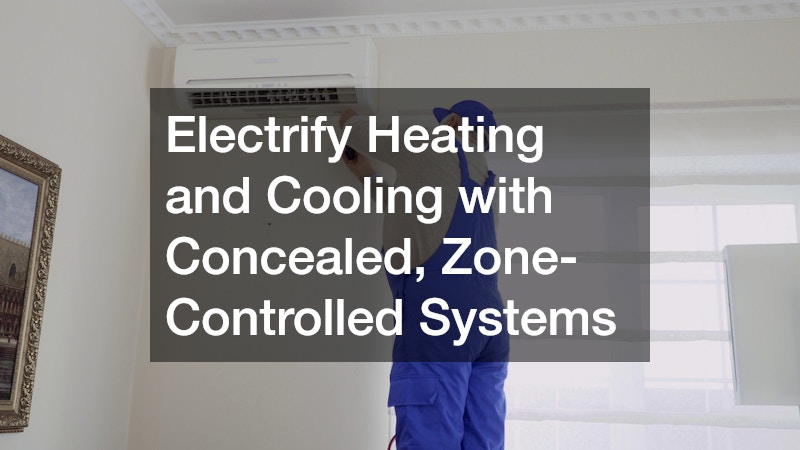
Modern HVAC design favors full electrification via high-efficiency air-source heat pumps. Modern inverter-driven heat pumps operate effectively in extreme sub-zero temperatures, extracting heat from outdoor air and transferring it inside with up to three times the efficiency of electric resistance heating or fossil-fuel combustion.
To maintain a sleek interior design, heat pumps can be installed using hidden ductwork or low-profile ceiling cassettes:
- Flush Linear Slot Diffusers: Instead of unsightly stamped-metal floor vents, modern installations utilize long, continuous linear slot diffusers integrated flush into ceilings or soffits.
- Multi-Zone Mini-Split Cassettes: Recessed ceiling cassettes sit flush between standard ceiling joists, offering individualized room-by-room climate control while hiding mechanical components from view.
- Energy Recovery Ventilators (ERVs): As homes become tighter and better insulated, mechanical ventilation is essential. ERVs exhaust stale indoor air while drawing in fresh outdoor air, capturing up to 80% of the energy from the outgoing airstream to pre-condition incoming air.
System design requires precision calculations rather than guesswork. Partnering with a licensed air conditioning contractor ensures your home receives a detailed Manual J load calculation, which accounts for window orientation, insulation R-values, and square footage. An accurately sized system runs on low-draw inverter speeds consistently, avoiding the noisy, energy-draining power spikes of oversized traditional systems.
Restore and Maintain Flooring Materials without Harsh Chemical Loads
Floor surfaces form the visual foundation of any modern design, with light-finished hardwoods, polished concrete, and natural fiber floor coverings taking center stage. Preserving existing flooring materials through non-toxic restoration is significantly more sustainable than tearing them out and sending usable materials to a landfill.
Keeping these materials clean and healthy requires an eco-conscious maintenance plan:
- Specify Low-VOC Hardwood Finishes: When refinishing original hardwoods, choose waterborne finishes or natural penetrating oils rather than traditional oil-based polyurethane. They dry quickly, do not yellow over time, and eliminate volatile organic compound off-gassing.
- Incorporate Walk-Off Zones: Modern recessed entry mats capture up to 80% of outdoor soil, heavy metals, and urban pollutants before they reach your primary interior floors.
- Choose Natural Fiber Area Rugs: Layer high-traffic zones with untreated wool, jute, or organic cotton rugs that trap airborne dust naturally without releasing synthetic off-gassing into your living space.
For homes with wall-to-wall carpeting or large area rugs, deep cleaning is essential for maintaining indoor air quality and extending material lifespans. Relying on specialized carpet cleaning services that use eco-friendly, hot-water extraction techniques removes trapped allergens and deeply embedded grit without harsh chemicals. Biodegradable, fragrance-free solutions clean fibers thoroughly without leaving sticky chemical residues behind, keeping your indoor air safe for children and pets.
Replace Impervious Outdoor Surfaces with Permeable Paving and Solar Lighting
Traditional concrete or asphalt driveways and patios create impervious surfaces that block rainwater from soaking into the ground. During heavy rain, this leads to rapid runoff, soil erosion, and overloaded storm sewers that carry pollutants directly into local waterways.
Modern hardscaping balances functional, crisp architectural aesthetics with environmental management:
- Permeable Paver Systems: Interlocking concrete pavers installed over crushed stone reservoirs allow water to filter straight down into the soil. They are available in sleek, oversized rectangular profiles that match modern architecture.
- Gravel Stabilization Grids: Recycled plastic honeycomb grids filled with crushed granite create driveways and walkways that look minimal, hold heavy vehicle loads, and remain completely permeable.
- Dark-Sky Compliant Architectural Lighting: Use low-voltage, warm-toned LED fixtures directed downward along garden walls and footpaths. This approach minimizes light pollution, protects nocturnal wildlife, and accentuates architectural features without harsh glare.
Permeable systems operate through a layered structure: open-jointed surface pavers filter rainwater into a specialized setting bed of aggregate. From there, runoff drains into a deeper stone reservoir layer that temporarily stores stormwater before it recharges the natural groundwater subgrade beneath.
Upgrading an expansive driveway or outdoor terrace requires specialized site preparation, grading, and drainage planning. Contracting professional paving companies ensures your permeable installation features the correct sub-base aggregate depths and soil infiltration rates, preventing settling and keeping your outdoor areas free of standing water for years to come.
Execute Whole-Home Modernization with Carbon-Neutral Whole-Structure Strategies
When carrying out large structural additions or gut-rehabilitation projects, modernizing your home presents an ideal opportunity to adopt holistic building standards like Passive House or net-zero construction.
- Passive Solar Orientation: Design additions to maximize southern glass exposure. Deep roof overhangs block hot high-summer sun while letting low-angled winter sun penetrate deep into the home, heating thermal mass floors naturally.
- Continuous Air Barriers: Tightly seal structural gaps using vapor-permeable air barriers and specialized flashing tapes. A tightly sealed building envelope stops unconditioned air from leaking in through wall cavities and floor assemblies.
- Solar and Storage Readiness: Ensure electrical service panels are sized for solar PV arrays, battery storage systems, and level-2 electric vehicle chargers. Grouping these utility upgrades together saves time and reduces overall installation costs.
Executing structural modifications that balance passive solar design, high R-value insulation, and net-zero readiness requires experienced guidance. Partnering with certified home builders who specialize in sustainable design ensures structural alterations meet strict energy codes while incorporating modern architectural features like open floor plans, exposed structural elements, and seamless indoor-outdoor living spaces.
Action Plan for Your Sustainable Modernization
Modernizing a home for style and energy efficiency is a step-by-step process that redefines how your living space looks, feels, and performs. By focusing on high-impact upgrades to your building envelope, climate controls, and high-use rooms like kitchens and bathrooms, you can build a home that is visually stunning, remarkably comfortable, and environmentally responsible.
To approach this systematically, start with your envelope and diagnostics by performing energy and thermal imaging audits, upgrading windows, exterior doors, and roof insulation, and remediating any trapped moisture or sub-surface issues. Next, move to high-impact interior zones by converting kitchen cooking appliances from gas to magnetic induction, installing tankless water heating and low-flow thermostatic bath fixtures, and transitioning central HVAC to multi-zone, all-electric heat pumps with an ERV. Finally, execute hardscaping and full electrification by replacing impervious hardscapes with permeable paver systems, integrating solar PV, battery backup, and electric vehicle charging, and refinishing floors with non-toxic, low-VOC waterborne sealants.
Prioritize updates based on your home’s unique energy profile, focus on high-quality materials, and collaborate with skilled professionals who understand modern building science. The result will be a timeless, efficient home that serves your lifestyle while preserving resources for generations to come.