There is an undeniable thrill that comes with embarking on a property journey. It usually begins with a simple vision board filled with magazine clippings, saved digital pins, and grand ideas about sprawling kitchens, cozy reading nooks, and perfectly manicured outdoor spaces. However, the reality of transitioning from those initial sparks of inspiration to a physical, move-in-ready property can quickly feel like an overwhelming mountain to climb. The sheer volume of choices, rigid budget constraints, and unpredictable construction timelines can test the patience of even the most organized individuals.
The transition from a mere concept to a tangible sanctuary is filled with complex legal hurdles, intricate financial maneuvering, and logistical puzzles that require careful coordination. Without a clear plan, it is easy to succumb to decision fatigue and costly errors. This guide is designed to serve as your comprehensive roadmap, demystifying the property acquisition and construction journey from start to finish. By systematically structuring your finances, assembling a highly vetted team of industry professionals, and executing each phase with precise, proactive oversight, you can transform what is often a chaotic project into a seamless, highly rewarding success.
Setting a Strong Financial Foundation

The most critical first step in any property venture happens long before you ever set foot on a vacant lot or tour an open house. You must establish a rock-solid financial baseline. Begin by calculating your true buying power. This involves taking a hard look at your debt-to-income ratio, which lenders use to determine how much risk you pose as a borrower. Ideally, your total monthly debt payments should not exceed thirty-six percent of your gross monthly income. Gathering all necessary financial documents—such as the last two years of tax returns, recent bank statements, and verifiable proof of income—will streamline the initial phases of securing capital.
When comparing various funding options, it is vital to research different home loans to lock in the most favorable interest rates and terms tailored specifically to large-scale construction or purchasing projects. A standard mortgage operates differently than a construction-to-permanent loan, which provides staggered payouts to builders as milestones are completed. Getting pre-approved rather than just pre-qualified gives you a definitive budget ceiling. This early financial clarity prevents the heartbreak of falling in love with a property or a set of architectural plans that ultimately fall outside of your realistic financial capabilities.
Once your budget is securely established, you must immediately define the scope of your project by separating your absolute non-negotiables from your aspirational desires. Creating a strict priority list is the most effective way to prevent budget creep during the planning and execution stages. Start by categorizing your needs: structural requirements, location preferences, and lifestyle necessities belong in the “must-have” column, while high-end finishes, luxury appliances, or secondary entertainment spaces belong in the “nice-to-have” category.
Making the monumental decision early on regarding whether you want to buy an existing structure to renovate or build a completely custom home will fundamentally dictate your overall financial strategy and timeline. Constructing from scratch offers total control over every square inch but requires a longer timeline and a larger contingency fund for unexpected delays. Renovating an existing footprint might be faster, but it comes with the risk of uncovering hidden damages behind drywall. Having a firmly established list of priorities ensures that when unexpected costs inevitably arise, you know exactly which luxury items to cut without compromising the core integrity and function of your future residence.
Assembling Your A-Team of Experts
No one successfully navigates the complex web of property development and construction alone. The people you hire will make or break your experience, which is why vetting your professionals meticulously is a non-negotiable step. When interviewing general contractors and builders, do not simply rely on online reviews. Ask to see comprehensive portfolios of completed works, request references from past clients, and, if possible, tour a current job site to observe how they manage their crews and maintain safety standards. You are looking for a track record of projects delivered on time and within budget.
Equally important is establishing clear communication channels. You want a team that utilizes modern project management software to keep you updated on daily progress. Bringing a seasoned custom home architect onto your team as early as possible can save you thousands of dollars in the long run. Their expertise prevents structural miscalculations, ensures that the scale of the building fits the topography of the land, and translates your abstract ideas into highly practical, executable blueprints that comply with local building codes. A collaborative relationship with your design professional ensures the foundation of your project is mathematically and aesthetically sound.
A structurally sound building is only as good as its internal livability. It is easy to get caught up in how a floor plan looks on a two-dimensional piece of paper, but you must project how those spaces will function in your day-to-day life. Map out your daily routines. Think about the path you take when you walk in the door with heavy groceries—is the kitchen easily accessible from the garage? Consider your morning routine—does the placement of the primary bathroom allow for natural light without compromising privacy?
To achieve this level of functional harmony, it is highly recommended to collaborate with an interior designer during the initial drafting phase alongside your builder, rather than waiting until the drywall is up. Engaging them early ensures that the spatial flow, electrical plans, lighting design, and window placements perfectly match your lifestyle and furniture layouts. They will help you avoid common pitfalls, such as placing HVAC vents directly over where a bed should go, or failing to include enough outlets in a home office setup. Designing from the inside out ensures every room serves a distinct, comfortable purpose.
Securing and Evaluating the Physical Property
When you finally transition to actively hunting for a location, your focus must extend far beyond the property lines. The surrounding community will heavily influence both your daily quality of life and the long-term financial appreciation of your investment. It is crucial to research local zoning laws to understand what can and cannot be built next door. You should also look into future municipal developments—a planned public park could boost your property value, while a proposed major highway extension could bring unwanted noise and traffic.
Investigate the stability and rating of the local school districts, even if you do not have children, as this is a major driving factor for future resale value. Navigating these highly localized details is where having a knowledgeable, deeply entrenched agent becomes invaluable. They can help you sift through the complexities of the regional real estate market efficiently, pulling historical data and identifying upcoming trends that might not be visible to the general public. They act as your scout, ensuring you invest in an area that is on an upward trajectory rather than one that has already peaked.
Whether you are buying a vacant lot or a historic fixer-upper, falling in love with the aesthetics of a property can easily blind you to its underlying structural flaws. You must train yourself to look for subtle warning signs before you sign the closing papers. On raw land, look for signs of poor drainage, protected wetlands, or steep grading that could require massive, expensive retaining walls. On existing structures, keep an eye out for uneven floors, foundation cracks, water stains on ceilings, or outdated electrical panels that pose immediate fire hazards.
Never waive your right to a thorough investigation, regardless of how competitive the market might be. It is an absolute necessity to make any purchase contingent on a comprehensive report from a certified home inspection service to avoid inheriting hidden, financially devastating defects. A licensed professional will test the HVAC systems, scope the sewer lines, check the integrity of the roof, and evaluate the plumbing. The few hundred dollars spent on this evaluation can empower you to negotiate a lower purchase price, demand that the seller make repairs, or give you the confidence to walk away from a money pit entirely.
Managing the Structural and Construction Phases

Once ground is broken and framing begins, it is time to look toward the future. A well-designed property should not only meet your needs today but should seamlessly adapt to your life ten or twenty years down the line. Future-proofing your space involves incorporating universal design principles. Consider designing wider hallways and doorways, installing curbless showers, or planning for a main-floor bedroom suite that can accommodate aging in place or multi-generational living arrangements.
You should also anticipate the integration of future technologies by running extra conduit pipes through the walls before the drywall is sealed, allowing for easy installation of smart home systems, upgraded fiber optics, or electric vehicle charging stations later. If you anticipate your family growing, you can plan the property’s current footprint, load-bearing walls, and rooflines to easily accommodate a future home addition without requiring a massive, cost-prohibitive structural overhaul down the line. Strategic foresight during the initial framing phase saves immense amounts of demolition and retrofitting work in the future.
Active construction sites are inherently vulnerable environments. From the moment the first shovel hits the dirt to the day the final certificate of occupancy is issued, your project is exposed to a myriad of risks. Theft of expensive building materials, accidental fires, plumbing leaks, and sudden severe weather events can completely derail your timeline and decimate your contingency budget. It is vital to discuss risk management with your general contractor and ensure they carry robust workers’ compensation and liability coverage.
However, relying solely on your builder’s policies is not enough to fully protect your financial interests. You must take proactive steps to secure your own robust homeowners insurance alongside a specialized builder’s risk policy the very moment ground is broken on the site. This ensures that you are financially shielded against vandalism, theft, or natural disasters that occur during the vulnerable building phase. Additionally, prepare yourself mentally and contractually for supply chain delays. Having a financial safety net in place allows you to pivot and problem-solve without the stress of impending financial ruin.
Optimizing Efficiency and Curb Appeal
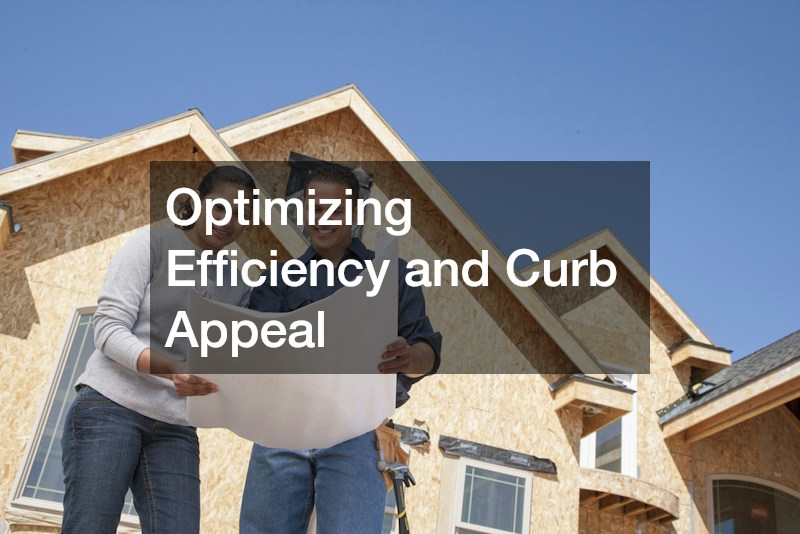
As your project moves toward completion, integrating sustainable, energy-efficient infrastructure should be a top priority. Building green is no longer just a trend; it is a vital strategy for drastically reducing your long-term utility costs and minimizing your environmental footprint. Focus on creating a tightly sealed building envelope through high-quality spray foam insulation, energy-efficient double or triple-pane windows, and strategically placed passive ventilation. Upgrading your HVAC system to a high-efficiency model and installing smart thermostats will yield massive dividends over the lifespan of the property.
If you plan on utilizing renewable energy, the time to prepare for it is during the initial construction, not years after you move in. Pre-wiring the electrical system and reinforcing the roof trusses for the eventual installation of solar panels during the framing stage is significantly cheaper and cleaner than attempting to retrofit them later. Planning ahead allows the conduits to be hidden behind the walls rather than strapped to the exterior of the house, maintaining the aesthetic integrity of your exterior architecture while preparing your property for energy independence.
The final phase of the building process focuses on the exterior. The outside of your property is the first impression it makes on the world, and its functionality is just as important as its beauty. Proper exterior planning prevents costly water damage and foundation issues down the line. Focus heavily on proper grading to ensure that rainwater flows away from the foundation rather than pooling around it. When selecting plants, opt for native flora that requires minimal watering and maintenance, allowing the landscape to thrive naturally in its specific climate zone.
To ensure your outdoor living spaces are cohesive and functional, it is highly suggested that you consult a local landscaping service long before the driveway, patios, and outdoor walkways are permanently poured. Bringing these professionals in early ensures that retaining walls, outdoor kitchens, and irrigation systems are integrated flawlessly with the primary structure. Thoughtful hardscaping and strategically placed exterior lighting will highlight the architectural features of the building, transforming a simple plot of dirt into a stunning, highly functional extension of your living room.
Bringing It All Together

Bringing a property vision to life is undoubtedly one of the most complex, demanding endeavors you can undertake. It is a journey that requires far more than just financial capital; it demands immense patience, rigorous organization, and a willingness to constantly adapt and problem-solve. From the initial stress of securing funding and finding the perfect location to the meticulous vetting of professionals and the ongoing oversight of the construction site, every single decision you make builds the foundation of your future day-to-day life.
While the inevitable delays and unexpected challenges can occasionally feel discouraging, maintaining a proactive, deeply involved approach ensures that your project stays on track. Remember that you are not just managing a construction site; you are crafting a personalized sanctuary tailored specifically to your lifestyle and future goals. Stay dedicated to your organized plan, trust the experts you have hired, and keep your eyes on the final result. The immense pride and comfort you will feel when you finally turn the key and walk into a space that is entirely your own will make every hurdle along the way completely worthwhile.