
A home should support the way people live, providing comfortable spaces, practical features, and an appearance that reflects their preferences. Over time, however, rooms can begin to feel outdated, finishes may show signs of wear, and existing layouts might no longer meet a household’s needs. Whether homeowners want to modernize a kitchen, improve a bathroom, update flooring, or give their living spaces a fresh appearance, thoughtful improvements can help make a property more enjoyable and functional.
Home improvement projects come in many forms, ranging from smaller cosmetic updates to larger renovations. Some homeowners prioritize changes that improve the appearance of their interiors, while others focus on durability, storage, or making better use of available space. Projects such as replacing worn flooring, updating countertops, installing new fixtures, and improving natural light can all contribute to a more comfortable living environment. The right upgrades depend on a property’s existing condition, the homeowner’s priorities, and the available budget.
Planning improvements also involves considering how different materials and design choices work together. Colors, textures, finishes, and fixtures can influence the overall appearance of a room, while practical considerations such as maintenance and longevity affect long-term satisfaction. Exploring popular home upgrades can help homeowners identify projects that align with their goals and determine which improvements are worth considering this year.
Refreshing Interior Spaces With Updated Colors
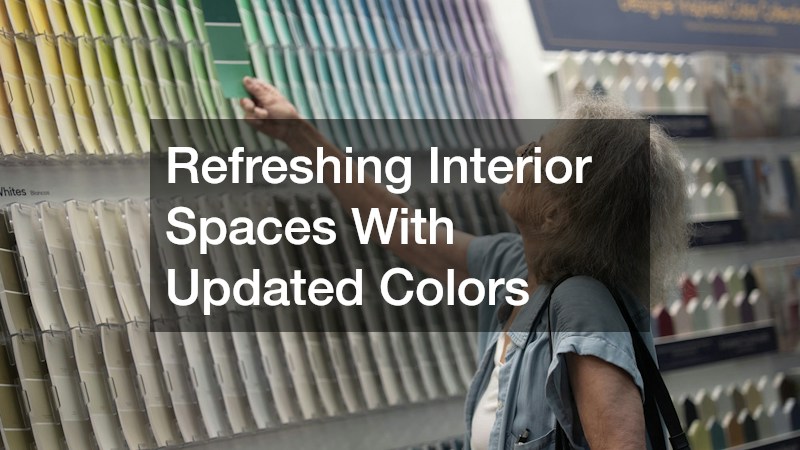
A fresh color scheme can change the appearance and atmosphere of a home without requiring a complete renovation. Walls, ceilings, trim, and other painted surfaces contribute significantly to how a room looks and feels. Updating these areas can help homeowners move away from outdated color combinations, coordinate different spaces, and create a more consistent interior design. Selecting appropriate interior paint is one way to give living areas a refreshed appearance while complementing existing furniture, flooring, and decorative features.
Color selection should account for the size of a room, its natural lighting, and the desired atmosphere. Lighter shades can make smaller spaces feel more open, while darker colors can add depth and create a more dramatic appearance. Neutral tones often provide flexibility for homeowners who want to change furnishings or decorations over time. More vibrant colors can introduce personality through accent walls or selected rooms without making the entire home feel visually busy.
Paint finishes also influence the appearance and maintenance requirements of interior surfaces. Matte finishes can help minimize the visibility of minor wall imperfections, while eggshell and satin finishes offer varying levels of sheen and cleanability. Semi-gloss finishes are often considered for trim, doors, and other surfaces that benefit from a more durable coating. The appropriate finish depends on the surface, room conditions, and household preferences.
Improving Natural Light and Modernizing Living Areas
Natural light can influence how spacious, comfortable, and inviting a home feels. Windows, glass doors, interior partitions, and other glazed features can help distribute daylight throughout different areas. Homeowners looking to modernize their properties may consider residential glass services when existing glass features are outdated, damaged, or no longer suit their design preferences.
Replacing older windows can improve the appearance of a home’s exterior and interior while providing an opportunity to consider updated glass options. Depending on the product selected, modern windows may offer features such as insulated glazing, low-emissivity coatings, and improved frame designs. These features can support energy efficiency by helping reduce unwanted heat transfer, although performance depends on the entire window assembly and installation quality.
Glass can also serve decorative and functional purposes inside the home. Glass doors, partitions, and decorative panels can help separate spaces without creating the same visual barrier as solid materials. For example, a glass partition between a home office and living area can provide separation while allowing light to pass through. Glass shelving and display features can also contribute to a clean, contemporary appearance.
Creating a More Stylish and Functional Bathroom
Bathrooms are among the most frequently used areas of a home, making their design and functionality important considerations during renovations. Outdated fixtures, worn surfaces, and inefficient layouts can make these spaces feel less comfortable. Updating the shower area is one way to give a bathroom a more modern appearance while improving how the space functions.
Glass shower doors are a popular option for homeowners who want a clean, streamlined look. Unlike traditional shower curtains, glass enclosures provide a defined barrier while allowing the surrounding tile and fixtures to remain visible. This can help smaller bathrooms feel more open because the enclosure does not create the same visual interruption as an opaque curtain.
Homeowners can choose from several styles, including framed, semi-frameless, and frameless designs. Framed enclosures typically include metal framing around the glass panels, while frameless options use thicker glass and specialized hardware for a more minimal appearance. Sliding doors can be useful when there is limited clearance for a swinging door, whereas hinged designs may work well in bathrooms with more available space.
Glass thickness, hardware finishes, enclosure dimensions, and shower layout all influence the final selection. Proper measurements and installation are important for achieving an appropriate fit and minimizing water leakage. Homeowners should also consider maintenance requirements, including regular cleaning to reduce soap residue and mineral deposits.
Choosing Durable Flooring for Everyday Living

Flooring affects both the appearance and functionality of a home. Different rooms experience different levels of foot traffic, moisture exposure, and everyday wear, so selecting appropriate materials is an important part of renovation planning. Homeowners may consider vinyl plank flooring sevices when looking for an option that combines a wood-inspired appearance with practical maintenance features.
Luxury vinyl plank flooring is designed to resemble natural wood while offering a different construction and performance profile. Many products feature a printed design layer, a protective wear layer, and a core that contributes to the plank’s structure. Depending on the product, additional backing or underlayment may also be included. These construction features influence durability, comfort, and installation requirements.
One reason homeowners consider vinyl plank flooring is its variety of colors, textures, and patterns. Options can resemble different wood species, including oak, maple, and walnut, allowing homeowners to coordinate flooring with cabinets, furniture, and wall colors. Some products also feature textured surfaces designed to create a more realistic wood-like appearance.
Water resistance is another consideration. Many vinyl plank products are water-resistant or waterproof, but these terms are not interchangeable and depend on the specific product. Homeowners should review manufacturer specifications, particularly when selecting flooring for bathrooms, laundry rooms, kitchens, or basements. Installation requirements, subfloor conditions, and moisture management also affect long-term performance.
Exploring Flooring Options for Comfort and Style
While hard-surface flooring is popular in many homes, carpet remains an appealing option for rooms where softness and warmth are priorities. Bedrooms, family rooms, and other comfortable living areas can benefit from carpeting that creates a softer surface underfoot. Visiting carpet stores gives homeowners an opportunity to compare different materials, textures, colors, and construction styles before choosing an option.
Carpet comes in a variety of fibers, each with different characteristics. Nylon is known for its resilience and ability to handle regular foot traffic, while polyester is often selected for its softness and color options. Wool is a natural fiber valued for its texture and appearance, although it generally requires specific care. Olefin, also known as polypropylene, is commonly used in certain residential and commercial carpeting applications because of its resistance to moisture and staining.
Carpet construction also affects how a finished floor looks and performs. Cut-pile carpet has fibers cut at the ends, creating a soft surface, while loop-pile carpet retains its loops for a different texture and appearance. Some styles combine cut and loop construction to create patterns. The appropriate choice depends on room use, household preferences, and maintenance expectations.
Color and pattern selection should complement the rest of the room. Neutral carpeting can provide a versatile foundation, while patterned designs can introduce visual interest or help disguise everyday wear. Homeowners should also consider carpet padding, which contributes to cushioning and can affect how the flooring feels and performs.
Adding Elegance and Durability to Kitchen Surfaces
Kitchen countertops are both functional work surfaces and prominent design features. They are used for food preparation, serving, storage, and everyday household activities, making material selection particularly important. Homeowners considering a kitchen update may explore quartz countertops for their combination of design variety and practical surface characteristics.
Engineered quartz is manufactured using natural quartz particles combined with resins, pigments, and other materials. This process allows manufacturers to create surfaces in a wide range of colors and patterns. Some designs resemble natural marble or other stone, while others feature more consistent colors and subtle patterns. These options make it possible to coordinate countertops with different cabinet styles, backsplashes, and flooring materials.
One advantage of many engineered quartz surfaces is their nonporous composition. Unlike some natural stones, quartz generally does not require routine sealing to maintain its surface. Its nonporous construction also makes it resistant to many common household stains when properly maintained. However, it is not indestructible and can be damaged by excessive heat, impact, or certain chemicals. Using appropriate cleaning products and protective measures can help maintain its appearance.
Edge profiles are another design consideration. Straight, beveled, rounded, and more decorative edges can create different visual effects. Homeowners may also consider countertop thickness, overhangs, and integrated design details when planning an installation.
Updating Kitchen Surfaces With Natural Stone
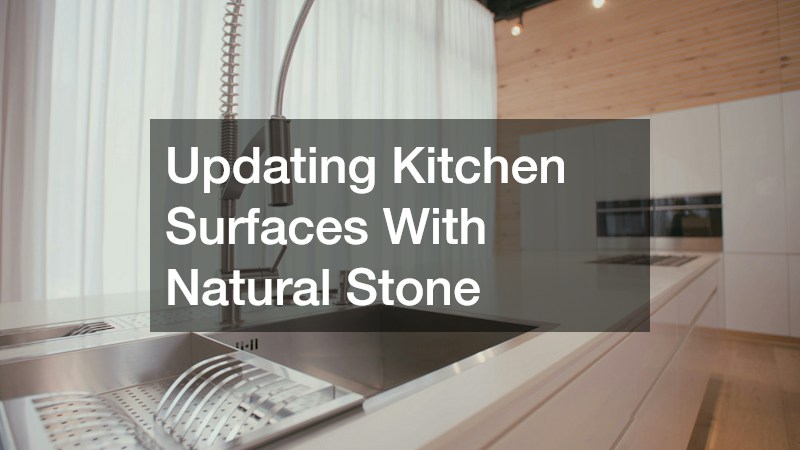
Natural stone can bring distinctive patterns, colors, and textures to kitchen surfaces. Unlike manufactured materials, each slab of natural granite has variations created through geological processes. Homeowners who want a countertop with a unique appearance may consider a granite counter as part of a kitchen renovation.
Granite is an igneous rock composed primarily of minerals such as quartz and feldspar. Its mineral composition creates variations in color, veining, and speckling. Depending on the slab, granite may feature subtle patterns or more prominent visual movement. This variety allows homeowners to select a surface that complements their cabinets, flooring, and overall kitchen design.
Granite is valued for its hardness and ability to withstand regular kitchen use. However, performance depends on the specific stone, its finish, and how it is maintained. Many granite surfaces benefit from periodic sealing because natural stone can be porous. Sealing helps reduce the risk of staining but does not make the surface completely stain-proof. Promptly cleaning spills and following appropriate care recommendations can help preserve its appearance.
Homeowners should inspect available slabs before making a final selection. Because natural stone varies from piece to piece, viewing the actual material can help avoid surprises involving color, pattern, and veining. It is also important to discuss edge styles, sink cutouts, seams, and backsplash coordination.
Improving Kitchen Storage and Overall Functionality
Kitchen storage plays a major role in how efficiently a household can use its space. Insufficient cabinets, awkward layouts, and limited countertop areas can make everyday activities more difficult. Updating cabinetry can provide an opportunity to improve organization while changing the overall appearance of the kitchen.
Working with a cabinet company can help homeowners explore different cabinet styles, configurations, and storage features. Options may include traditional framed cabinets, frameless designs, custom-built cabinetry, and semi-custom products. Each offers different possibilities in terms of dimensions, finishes, construction, and design flexibility.
Storage features can also make a kitchen more practical. Pullout shelves, drawer organizers, corner storage systems, and vertical dividers can help homeowners use available cabinet space more effectively. Deep drawers may provide convenient storage for cookware, while dedicated organizers can keep utensils and smaller items accessible. The best features depend on household routines and the existing kitchen layout.
Cabinet materials and finishes influence both appearance and maintenance. Wood cabinets offer natural grain patterns and can be stained or painted in different colors. Other options may include engineered wood products and durable manufactured finishes. Homeowners should consider construction quality, hardware, cleaning requirements, and expected use when comparing products.
Planning Home Improvements Around Your Needs
Successful renovations begin with a clear understanding of what homeowners want to accomplish. Some projects focus on improving appearance, while others address maintenance concerns, outdated features, or changing household needs. A home remodeler can help evaluate the existing space, discuss possible improvements, and develop a project plan that reflects the property’s condition and the homeowner’s priorities.
The planning process often begins with identifying which areas need attention. Homeowners may prioritize a kitchen that lacks storage, a bathroom with aging fixtures, or living spaces that need updated finishes. Establishing project goals can help determine which improvements should happen first and which can be completed later. It also helps create a more realistic budget.
Material selection is another important part of planning. Flooring, countertops, cabinets, paint, and glass features should be chosen with both appearance and performance in mind. Homeowners should consider maintenance requirements, product warranties, expected durability, and compatibility with existing features. Comparing samples and reviewing product specifications can help narrow down the options.
The scope of work should also be clearly defined before construction begins. Larger renovations may require permits, inspections, or coordination among multiple trades. Project timelines can vary depending on material availability, structural conditions, and the amount of work involved. Discussing these factors in advance can help homeowners establish reasonable expectations.
Bringing Multiple Home Updates Together With Professional Help

Some homeowners prefer to complete several improvements as part of one coordinated renovation rather than updating individual rooms over time. Combining projects can create a more consistent design throughout the property and provide an opportunity to address related construction needs. A local remodeling company may help coordinate different services, materials, and installation stages based on the project’s scope.
For example, a kitchen renovation might involve new cabinets, countertops, flooring, lighting, and updated paint. Completing these improvements together can make it easier to coordinate colors, finishes, and measurements. A bathroom project might combine a new shower enclosure with updated tile, fixtures, and storage. Planning these elements as part of one project can help create a more unified result.
Professional coordination can also be valuable when renovations involve multiple trades. Cabinet installation, plumbing, electrical work, flooring, and glass installation may need to happen in a specific sequence. Coordinating these responsibilities can help prevent scheduling conflicts and reduce the possibility of completed work being damaged during later stages.
Before selecting a contractor, homeowners should review experience, references, licensing requirements, insurance coverage, and written estimates. They should also ask about project timelines, payment schedules, warranties, and how unexpected conditions will be addressed. Written agreements help clarify expectations and define the work being performed.
Home improvements provide opportunities to make living spaces more comfortable, attractive, and practical. Whether homeowners are considering updated wall colors, modern glass features, new flooring, or improved kitchen surfaces, each project can address a different aspect of how a home looks and functions. The most effective upgrades are those that respond to the property’s existing condition and the household’s needs rather than relying solely on changing design trends.
Before starting a renovation, homeowners should establish clear goals, review their budgets, compare materials, and understand the scope of the proposed work. Consulting qualified professionals can provide additional insight into product options, installation requirements, and potential project challenges. With thoughtful planning and appropriate support, home upgrades can improve everyday functionality while creating spaces that homeowners enjoy for years to come.