True home modernization goes far beyond choosing the right contemporary paint colors, installing energy-efficient windows, or integrating smart appliances into your daily routine. It requires establishing an unshakeable, healthy foundation of structural integrity, absolute sanitation, and superior indoor air quality. Your home is supposed to be a safe sanctuary for your family, a clean environment where you can unwind, sleep peacefully, and raise your children without worrying about invisible biological hazards. Unfortunately, many property owners ignore the hidden threats lurking deep inside their drywalled cavities, beneath their floorboards, and along their foundational perimeters, mistakenly assuming a house is safe simply because the surfaces look clean.
Ignoring the environmental health of your property can lead to severe structural and physical consequences. Structural components can be quietly eaten away by hidden invaders, while crawling and rodent vectors spread harmful bacteria, leave biological droppings in ventilation ducts, and shed microscopic allergen triggers that fuel chronic asthma and respiratory distress. To transform your living space into a truly healthy environment, you must take an active, systematic approach to property maintenance. This comprehensive guide provides a detailed roadmap to help you protect your home, eliminate environmental contaminants, and partner with top-tier local experts to guarantee long-term peace of mind.
Securing the External Landscape and Soil Boundaries

A healthy, pristine indoor environment does not exist in a vacuum; it begins on the outside of your property. The insects and biological invaders that eventually find their way into your kitchen, basement, or utility closets often incubate, breed, and multiply in the surrounding soil and turf long before they cross your physical threshold. When your lawn becomes overcrowded with subterranean larvae or unmanaged weed growth, it creates a highly localized, high-density breeding environment that exerts constant physical pressure against your home’s exterior defenses.
Managing your external boundaries requires a strict routine of soil maintenance, core aeration, and turf optimization. Keeping your grass cut to an appropriate height and eliminating areas of thick, decaying thatch removes the protective canopy that invasive bugs use to hide from natural predators and intense sunlight. By ensuring that your yard remains a well-drained, hostile environment for invasive species, you naturally decrease the likelihood of an indoor breach.
Actionable Tips for Soil and Landscape Management
-
Implement consistent core aeration: Aerate your lawn annually to break up compacted soil layers, reduce thatch accumulation, and ensure that water and essential nutrients penetrate deep into the root zone, which naturally crowds out weed growth and soil pests.
-
Optimize grass root resilience: Maintain an intentional, deep-watering schedule early in the morning to foster long, resilient root systems, and apply a specialized treatment of grub control during the late summer months to eradicate root-eating beetle larvae before they destroy your turf.
-
Establish preventative trade partnerships: Do not wait for a massive infestation to occur before reaching out to professionals. Take the time to vet and establish recurring maintenance agreements with highly rated, licensed pest control companies to set up a defensive barrier around your yard before the spring breeding season.
Safeguarding Structural Wood and Core Foundations
Among all the environmental threats a property owner faces, wood-boring insects are arguably the most dangerous to long-term equity and safety. Organisms that feed on cellulose can silently compromise the framing studs, floor joists, sills, and main structural headers of a building without ever making their presence known in the main living zones. By the time a homeowner notices visible signs of damage, such as sagging drywall or buckling floorboards, the underlying structural framework may already be severely compromised, requiring thousands of dollars in invasive structural repairs.
Protecting your home’s structural wood demands a multi-tiered strategy that focuses on moisture elimination and chemical barriers. Wood-boring insects are highly attracted to soft, damp wood, meaning that resolving plumbing leaks, managing basement humidity, and maintaining functional gutters are your first lines of defense. Additionally, creating a continuous, treated barrier in the soil directly adjacent to your concrete foundation blocks prevents subterranean colonies from finding a pathway into your home.
Actionable Tips for Structural Wood Protection
-
Eradicate all direct soil-to-wood contact: Ensure that all structural wooden elements, including exterior siding, decorative trim, porch columns, and deck supports, sit at least six inches above the final soil grade line to eliminate a natural bridge for crawling invaders.
-
Apply localized, high-potency chemical remediation: If an active colony is discovered during a routine structural home inspection, immediately authorize an aggressive, professionally applied termite treatment to neutralize the colony and halt further wood destruction.
-
Establish an enduring subterranean shield: Work with a licensed technician to install active monitoring bait stations or a liquid trenching system around the entire perimeter of your home, utilizing advanced termite control methods to keep your property permanently protected from unseen wood decay.
Mitigating Airborne Threats and Eave Intrusions
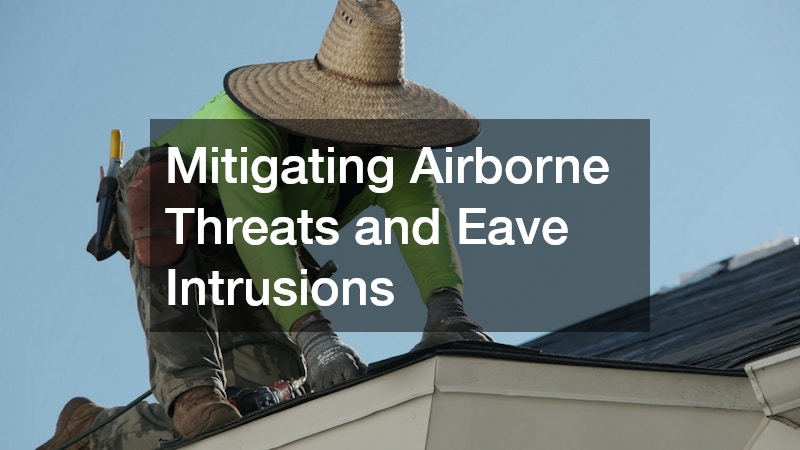
While crawling insects present an immense threat to your foundation and lower walls, the upper boundaries of your home are equally vulnerable to airborne invaders. Roof eaves, soffit panels, fascia boards, attic vents, and chimney caps represent highly attractive nesting sites for stinging insects, birds, and flying vectors. When these flying organisms establish colonies directly attached to your home’s structure, they pose an immediate physical threat to your family and guests, especially those with severe, life-threatening allergies.
Furthermore, stinging insects can chew through delicate exterior materials, such as exterior insulation finishing systems, wood trim, or drywall, to expand their nesting cavities inside your attic or wall spaces. Managing bee & wasp removal requires a meticulous routine of visual inspections and immediate exclusionary sealing, ensuring that small gaps in your roofline are closed off before they can be exploited by nesting queens.
Actionable Tips for Roofline and Eave Protection
-
Install heavy-duty stainless steel wire mesh: Secure tightly woven metal screen mesh over all attic gable vents, soffit openings, and chimney flues to block flying insects and small mammals from entering your attic insulation.
-
Clear overhanging canopy branches: Keep all mature tree limbs and climbing vines pruned back at least eight to ten feet away from your roofline and gutters, eliminating the natural bridges that crawling and flying insects use to access your eaves.
-
Enforce prompt, professional nesting removal: Regularly walk the perimeter of your property to check the undersides of decks and shutters, and ensure you call in experts for bee & wasp removal the moment a nest begins to form near your family’s outdoor living spaces.
Eliminating Kitchen Contaminants and Allergen Triggers
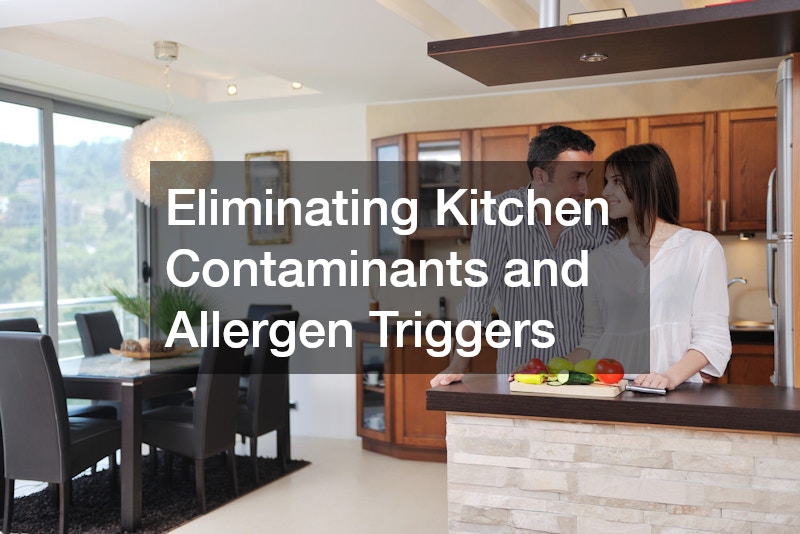
The kitchen is the heart of the home, but it is also the primary target for resilient indoor insects that hunt for accessible food sources and water. Resilient crawling vectors carry severe pathogens, mechanically transfer harmful bacteria like Salmonella and E. coli across your food-preparation surfaces, and leave behind microscopic fragments of tracking debris. Furthermore, their shed skin fragments and concentrated fecal matter can accumulate inside drywall voids, becoming airborne and acting as powerful allergen triggers that can cause chronic respiratory inflammation in children.
Achieving complete control over your kitchen’s environment requires you to move past superficial wiping and adopt an aggressive sanitization protocol. These highly adaptable insects can survive on microscopic grease splatters hidden behind your stove or inside your toaster, meaning that deep, comprehensive cleaning is your ultimate weapon in preventing a localized biological population boom.
Actionable Tips for Kitchen Sanitation and Defense
-
Enforce a strict airtight food storage policy: Transfer all dry pantry goods, baking flours, cereals, and pet foods out of fragile cardboard packaging and into heavy-duty glass, metal, or hard plastic canisters fitted with airtight silicone gaskets.
-
Execute thorough quarterly appliance clean-outs: Roll your refrigerator, stove, and dishwasher completely out from their wall enclosures every three months to scrub away hidden grease films, spilled liquids, and dropped crumbs that collect in dark, unventilated spaces.
-
Implement highly aggressive, systemic remediation protocols: If you notice any signs of crawling vectors near your plumbing pipes or baseboards, coordinate an intensive regimen of cockroach control to sterilize the affected zones and preserve your indoor air quality.
Hardening Utility Entryways Against Rodent Infiltration
Rodents are incredibly destructive mammalian invaders that present a multi-layered threat to your indoor safety and health. Mice and rats possess flexible skeletal structures that allow them to squeeze through external gaps no larger than a dime, frequently following the warmth and plumbing scents emanating from utility entryways. Once inside, they will shred fiberglass insulation to build nests, gnaw through structural drywall, contaminate surfaces with concentrated urine, and chew directly through plastic plumbing lines and electrical wiring, which can cause hidden water leaks or electrical fires.
Hardening your home against rodent entry requires a strategy known as total structural exclusion. You must systematically inspect every point where a utility line, wire, pipe, or vent intersects with your exterior siding or foundation, filling these gaps with materials that rodents cannot physically chew through, and ensuring your interior remains completely isolated from the wild exterior environment.
Actionable Tips for Rodent Exclusion
-
Pack structural utility penetrations tightly: Inspect the locations where gas lines, air conditioning conduits, and water pipes enter your home. Pack these openings with heavy-duty copper mesh or stainless steel wool before sealing the exterior with premium polyurethane caulk.
-
Clear all structural clutter from storage zones: Replace traditional cardboard storage boxes in your basement, garage, and attic with heavy-duty, stackable plastic bins, removing the soft nesting materials that small mammals look for when building a home.
-
Deploy a comprehensive, zero-entry trapping strategy: At the very first sign of teeth marks, unusual scratch sounds, or droppings along your baseboards, initiate a comprehensive program for mouse control that focuses primarily on sealing the external entry vectors.
Partnering with Local Certified Remediation Specialists
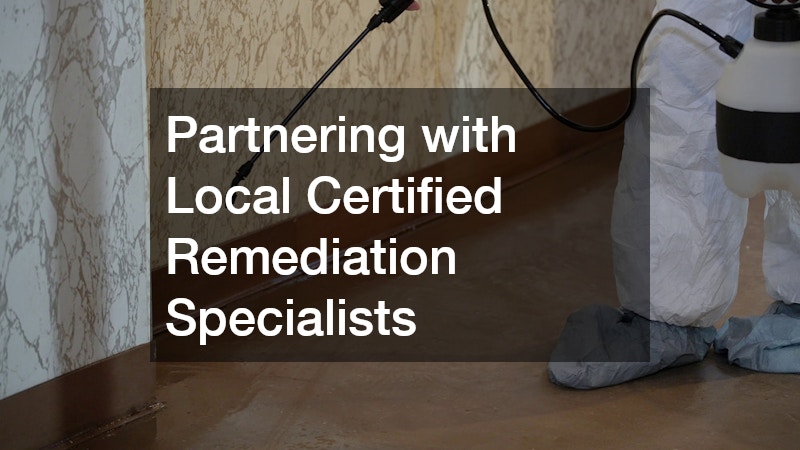
While daily cleaning routines, proper food storage, and landscape management are necessary components of maintaining a healthy home, eliminating a deep-seated, advanced biological infestation requires specialized industrial diagnostic tools and advanced chemical training. Attempting to resolve a massive environmental crisis with consumer-grade grocery store spray cans is often ineffective and can inadvertently scatter a colony deeper into your wall voids, prolonging the crisis and exposing your family to unnecessary chemical exposure.
When selecting a professional partner to handle your home’s environmental remediation, you should seek out firms that utilize Integrated Pest Management principles. This modern approach focuses on long-term prevention, structural exclusion, and targeted, low-toxicity applications rather than relying on broad-spectrum chemical saturation, keeping your indoor environment safe for children and beloved household pets.
Actionable Tips for Selecting Remediation Partners
-
Request non-invasive thermal imaging diagnostics: Partner with companies that utilize advanced infrared cameras and moisture meters to precisely locate hidden nests and thermal leaks inside drywalled cavities without unnecessarily tearing up your home’s walls.
-
Research highly verified neighborhood operators: Utilize reputable, licensed local business registries to carefully screen, identify, and verify certified exterminators in my area who maintain flawless safety compliance histories and excellent consumer reviews.
-
Secure a customized, long-term maintenance protocol: Collaborate with an accredited local pest extermination service to establish a recurring, low-toxicity preventative inspection schedule that keeps your home’s perimeter permanently hardened against seasonal biological pressures.
-
Demand complete, root-cause chemical clearing: Never settle for brief, superficial surface treatments that only kill visible insects. Ensure that your chosen technical team executes a comprehensive, multi-phase bug extermination that neutralizes hidden egg repositories and subterranean colonies at their source.
Conclusion
Maintaining a safe, healthy, and pristine indoor environment is an active, lifelong commitment to the structural and biological wellness of your property. It cannot be achieved through a single weekend cleaning sprint or a reactive, one-time treatment following an environmental crisis. True property protection demands a structured, proactive framework that treats your home as a complete ecosystem, hardening your external boundaries, safeguarding your structural timber, protecting your air quality, and enforcing absolute sanitation within your living spaces.
By systematically implementing these top-to-bottom defense strategies, investing in premium structural exclusions, and forming long-term partnerships with highly trained local specialists, you effectively insulate your property from biological threats. The temporary time and effort required to establish these defensive protocols will quickly be rewarded the moment you step into your clean, secure home. You can breathe easily, knowing that your structural equity is fully protected, your family’s respiratory health is secure, and your household is wrapped in a permanent shield of absolute safety, structural longevity, and complete peace of mind.